Diyarbakır Travel Guide: Walls, Hevsel Gardens and Food
Diyarbakır is not a monument with a city around it; its walls, gardens, river and living neighbourhoods belong to one connected landscape. A useful visit combines a short walk inside Suriçi with viewpoints over the Tigris, careful museum choices and time for the city’s food.
Plan the two days in six steps
- Choose a compact Suriçi loop: connect one gate, the Ulu Mosque area, a market or han and İçkale without trying to trace every wall.
- Place the museum on an open day: avoid Monday and check the official listing for hours, last admission and temporary gallery closures.
- Select a legal viewpoint: ask which wall section or river-and-gardens viewpoint is currently open and suitable for the group.
- Plan for basalt and heat: use supportive shoes, carry water and move exposed walking to cooler hours.
- Protect a regional meal: allow a seated lunch and ask what is prepared that day rather than ordering only familiar grilled dishes.
- Keep onward travel separate: do not combine the second sightseeing day with a tight flight or a rushed transfer to Mardin or Şanlıurfa.
Before-you-go checklist
- Museum day, hours and temporary closures checked
- Wall access and restoration restrictions reconfirmed
- Driver pickup and legal viewpoint stop agreed
- Prayer times considered for the Ulu Mosque visit
- Mobility, child-seat and heat-management needs shared
- Indoor or shorter route selected for bad weather
If access changes
If a wall section, museum gallery or viewpoint is unavailable, do not enter a closed zone. Keep the old-city walk, Ulu Mosque area and a longer food stop, then view the UNESCO landscape from another legal public point selected locally.
This Diyarbakır travel guide suggests two days at a humane pace. It avoids fixed operating claims where access may change and keeps heritage visits respectful of daily life.
Diyarbakır at a glance
| Planning question | Practical answer |
|---|---|
| How long? | Two days for Suriçi, İçkale, the walls and a landscape viewpoint |
| Main priority | Understand the UNESCO property as walls, gardens, river and city—not separate photo stops |
| Walking | Compact sections are possible, but basalt paving, heat and steps require planning |
| Best for | Heritage, architecture, photography and food-focused travellers |
| Seasonal note | Spring and autumn usually suit walking better than high summer; check the forecast |
Day one: Suriçi, İçkale and the city walls
Start with a short old-city route
Plan a two- to three-hour loop rather than trying to trace every section of the walls. A practical sequence can connect a city gate, the Ulu Mosque area, a hans or market stop and İçkale, but confirm access and choose streets that suit the group’s mobility and interests.
Diyarbakır’s dark basalt architecture creates a strong visual identity. Look up at inscriptions and masonry, but remember that Suriçi is a lived-in district. Ask before photographing people, avoid blocking shop entrances and respect worship times.
Visit the Ulu Mosque respectfully
The Ulu Mosque is an active place of worship, not simply an attraction. Dress respectfully, keep voices low, avoid prayer times for sightseeing and follow on-site guidance about visitor areas and photography. Exact access can change during services or religious dates.
Use İçkale for historical context
İçkale and the museum area help explain the city’s longer chronology. Checked on 5 November 2026, the official Diyarbakır Archaeology Museum listing shows Tuesday–Sunday opening from 08:30 to 19:00, ticket-office closure at 18:30 and Monday closure. It also says the thematic exhibition hall is temporarily closed. Treat this as a dated check and reconfirm the museum, galleries and last admission before travel.
Day two: walls, Hevsel Gardens and the Tigris
See the World Heritage property as a landscape
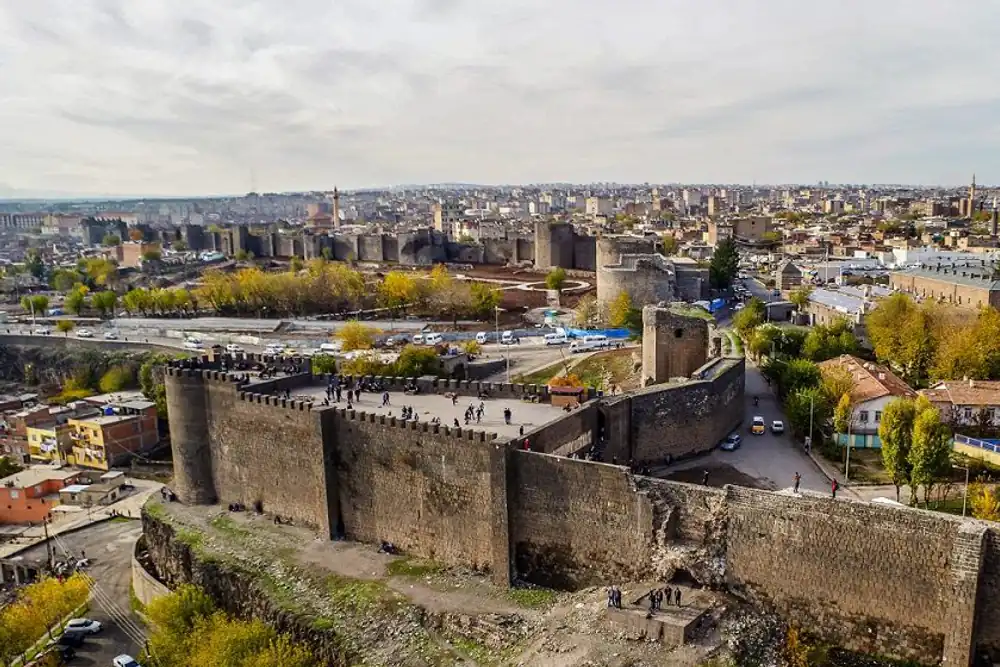
UNESCO inscribed Diyarbakır Fortress and Hevsel Gardens Cultural Landscape in 2015. The property includes İçkale, the city walls, gates and inscriptions, Hevsel Gardens, the Tigris River valley and the Ten-Eyed Bridge. UNESCO records a 5.8-kilometre wall circuit; that does not mean visitors should attempt to walk every section.
Choose one safe, currently open wall or landscape viewpoint. Closures and restoration zones must be respected. Never climb on unprotected masonry or enter agricultural areas without permission.
Approach Hevsel Gardens with care
The gardens remain a productive cultural landscape, not a public park in every part. Enjoy a viewpoint or guided interpretation that avoids disturbing crops and local work. Seasonal colour and harvest activity vary; do not promise a particular scene.
The Ten-Eyed Bridge can help connect the relationship between city, river and gardens. Road crossings and traffic conditions may affect the easiest viewing point, so a driver or guide should select a legal and safe stop.
Let lunch explain the region
Make room for a sit-down meal. Ask about dishes made that day, such as meftune, stuffed vegetables, kebabs or local breads, rather than treating a generic menu as the entire cuisine. Our Southeastern Anatolia cuisine guide offers a broader introduction.
Food and meaningful local traditions align with current traveller interests reported in 2026 industry research. That global evidence informs the article’s pacing; it is not proof that Diyarbakır bookings or searches are increasing.
Best time to visit Diyarbakır
Official climate records through 2025 show very hot summer days, while spring and autumn are milder. April, May, October and early November can suit walking, but rainfall and short-term temperatures still require a current forecast.
If travelling in summer, move outdoor sections to early morning or late afternoon, carry water and use indoor stops during the hottest hours. In winter, bring layers and allow for wet or slippery basalt.
Where to stay and traveller suitability
A Suriçi hotel can put heritage streets close at hand; a newer-city base may simplify vehicle access and modern facilities. In a restored historic building, ask about stairs, room size, soundproofing, heating or cooling, bathroom access and luggage delivery.
The route suits culturally curious travellers and small groups that can walk on varied surfaces. Families can shorten the old-city loop. Travellers with mobility requirements should confirm entrances, vehicle drop-offs and toilets for each chosen stop.
Diyarbakır travel FAQs
Are the walls and Hevsel Gardens one UNESCO site?
Yes. They form a single cultural landscape that also includes the Tigris setting and associated features.
Can I walk the entire wall circuit?
Do not assume every section is accessible or safe. Choose a currently open segment or viewpoint and follow local restrictions.
Is two days enough?
Two days allow a focused old-city day and a second day for the wider landscape and food. Add time if you want more museums or regional excursions.
Can Diyarbakır be combined with Mardin or Şanlıurfa?
Yes, but treat each city as an overnight destination and check current road or flight logistics. Avoid turning three rich cities into one rushed day.
Plan a southeastern Türkiye route
Continue with our Mardin guide and Şanlıurfa and Göbeklitepe guide, then compare broader Türkiye package ideas. Use Plan My Trip to describe your pace, interests and accessibility needs. Agencies and groups can request a tailored proposal through our Türkiye DMC services.
Editorial review: 5 November 2026. UNESCO, the current Ministry museum listing and official climate records were checked. Museum galleries, restoration zones, wall access, transport and any proposed service remain subject to confirmation.