

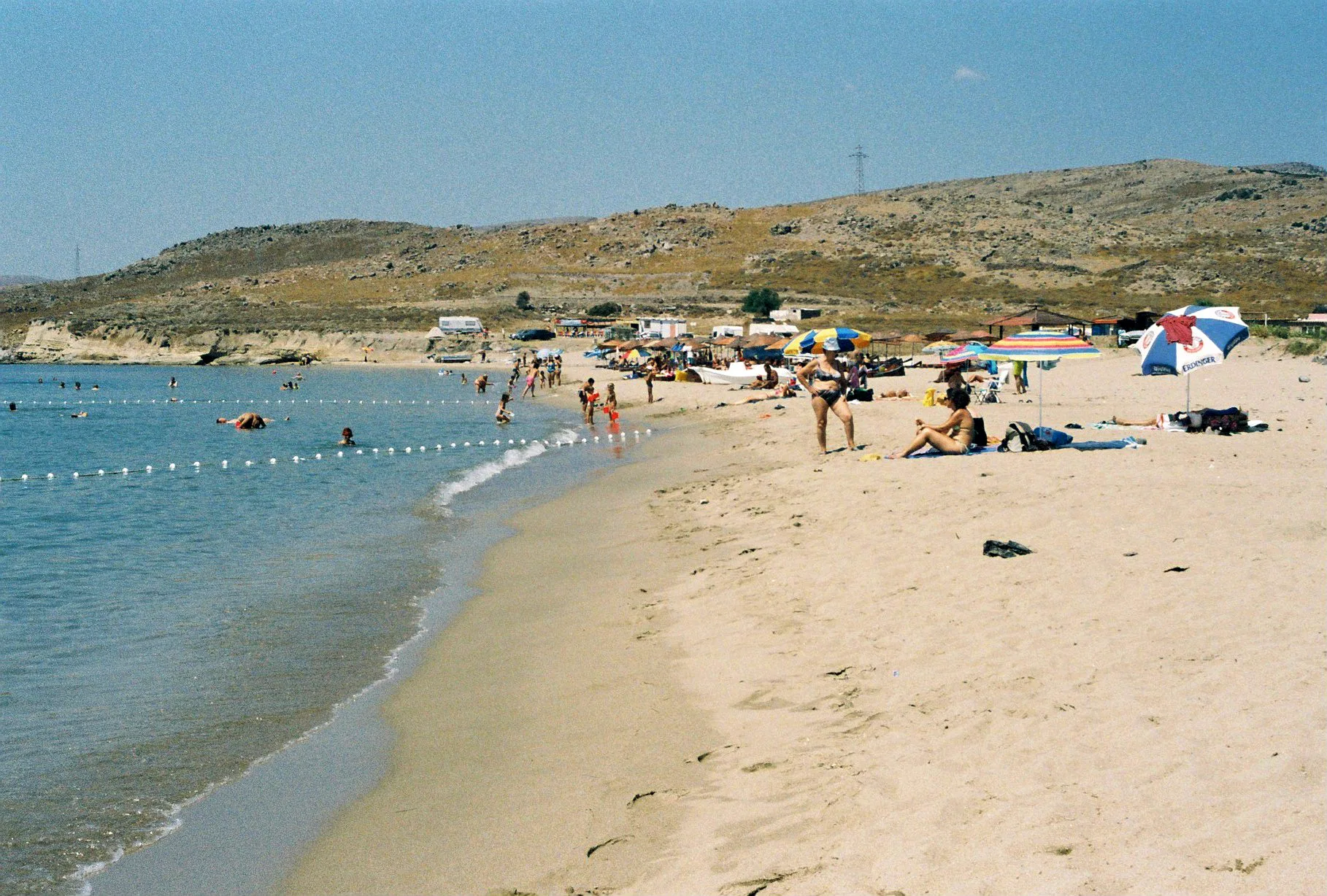

Gökçeada rewards travellers who slow down. Türkiye’s largest island combines old villages, windswept beaches, olive groves, local food and long views across the northern Aegean. It is reached by ferry, so a good itinerary begins with transport checks and leaves room for weather rather than trying to see every corner in a single day.
This Gökçeada travel guide is designed for a two- or three-night stay. It favours village walks, one carefully chosen beach and independent local meals over a rushed island circuit.
Gökçeada at a glance
- Best for: slow travel, village heritage, beaches, wind sports, food and quieter island landscapes.
- Ideal stay: two nights for a useful introduction; three or four for a beach day and a flexible weather buffer.
- Arrival: ferry schedules are seasonal and can change on the day.
- Getting around: a car, arranged driver or carefully planned local transport is useful because villages and beaches are spread out.
- Best approach: choose one village cluster and one coastal area per day.
Why visit Gökçeada?
GoTürkiye identifies Gökçeada as a Cittaslow destination and highlights its old villages, bays, rural traditions and local food culture. The island’s appeal is not a checklist of famous monuments. It is the contrast between stone village streets, broad fields, windy shores and unhurried meals.
That makes Gökçeada especially suitable for travellers seeking quieter nature experiences, distinctive small-scale stays and food connected to place. These are current travel interests, but they should not be confused with a claim that bookings are growing. The case for visiting rests on the island’s real character and the type of trip it supports.
How to reach Gökçeada by ferry
The principal vehicle ferry connection is the Kabatepe–Gökçeada route. GESTAŞ publishes the official timetable and service notices. The schedule checked on 25 October 2026 showed four planned crossings in each direction under the timetable effective from 5 October, but it also carried a same-day time change. That is a useful reminder: check again shortly before driving to the port and allow a generous buffer.
Do not copy an old seasonal timetable into your trip notes. Wind, operational decisions and holiday demand can affect departures. If travelling with a vehicle, review the current online-ticket rules as well as the sailing times. Keep accommodation informed if a late ferry could change your arrival.
Getting around the island
Gökçeada is too large to treat as one compact walking destination. Villages, beaches and viewpoints are separated by rural roads. A rental car or arranged driver gives the most flexibility, particularly outside the busiest season. Confirm fuel, vehicle pickup and return arrangements before travelling.
If you prefer not to drive, choose accommodation that can explain current local transport and arrange transfers. Ask specific questions: which villages can be reached, what time the return operates and whether beach transfers run on your dates. Taxis can be useful, but agree on pickup plans for remote areas.
Villages to choose from
Kaleköy
Kaleköy is a natural place for harbour views, cafés and sunset. The higher streets involve slopes, so allow time and wear stable shoes. It works well on arrival day because you can keep the plan short after the ferry.
Zeytinli and Bademli
These villages invite a slower walk focused on stone architecture, shaded lanes and local cafés. Treat them as living communities: keep voices low, respect private homes and do not block doorways for photographs.
Tepeköy
Tepeköy suits travellers interested in village atmosphere and broad island views. Opening days and meal service can vary outside summer, so call ahead if a particular restaurant is central to the plan.
Dereköy
Dereköy adds another perspective on the island’s layered community history. It is best visited with realistic time for the road and a quiet walk rather than squeezed between distant beaches.
Beaches, wind and nature
GoTürkiye highlights Aydıncık, the Salt Lake and the island’s bays. Conditions differ around the coast: one shore may be windy while another is calmer. Choose a beach on the day after checking local advice, wind and sea conditions. A famous name is less important than a safe and comfortable match for your group.
Gökçeada’s wind attracts experienced windsurfers and kitesurfers, but lessons, equipment and safety cover should be arranged with a qualified operator. Beginners should not assume that a windy beach is suitable without instruction. Families should also check depth, waves, shade and facilities before settling in.
Nature-sensitive areas deserve care. Follow marked access, take litter away, avoid disturbing wildlife and do not drive onto protected ground. The quiet landscape is part of the island’s value.
What to eat on Gökçeada
The island’s food culture reflects olive growing, dairy traditions, seafood, village baking and its Greek and Turkish community heritage. Look for seasonal dishes rather than a fixed “must-eat” list. Menus and opening hours change, especially outside summer.
- Ask what is seasonal and prepared locally that day.
- Confirm seafood price and portion before ordering.
- Discuss allergies clearly; village kitchens may not have separate preparation areas.
- Reserve in advance for small restaurants at weekends.
- Leave room for a long breakfast or village coffee instead of scheduling every hour.
A realistic three-day Gökçeada itinerary
Day one: ferry, check-in and Kaleköy
Keep arrival day light. After the ferry, check in and rest before visiting Kaleköy for a harbour walk and sunset. If the crossing is delayed, this is easy to shorten without losing a booked activity.
Day two: villages and local food
Choose two or three nearby villages rather than all of them. Combine Zeytinli or Bademli with Tepeköy, allowing time for coffee, a meal and unplanned stops. End the day near your accommodation instead of crossing the island after dark.
Day three: one coastal area
Select a beach or nature area after checking wind and sea conditions. Aydıncık and the Salt Lake area may suit some travellers; another bay may be more comfortable on the day. Build the afternoon around the ferry or add another night so the final day is not governed by a tight departure.
Best time to visit Gökçeada
Late spring
Mild weather, green landscapes and fewer visitors can suit village walks and nature. Sea temperatures and beach services may not match midsummer, and some businesses operate limited hours.
Summer
Summer offers the widest range of beach and dining options, but ferry demand, heat and wind require planning. Book accommodation early for holiday periods and keep a realistic port buffer.
Early autumn
September and early October can combine warm days with a calmer rhythm, although ferry frequency and business hours may change as the season winds down. Check each service for the exact dates.
Winter
Winter is for travellers comfortable with wind, limited openings and a quieter island. Confirm accommodation, restaurants, transport and ferry service before committing.
Where to stay
Choose location according to the trip you want. A stay near the main town can simplify practical errands and transport. A village pension may offer more atmosphere but require a car or arranged transfers. Coastal accommodation can be appealing in summer, though exposure to wind and distance from evening dining matter.
Before booking, ask about parking, heating or air conditioning, stairs, breakfast, late arrival after the ferry and cancellation terms. A distinctive property is valuable when its location and facilities suit the traveller, not simply because it photographs well.
Who is Gökçeada right for?
Gökçeada suits couples, families with a flexible vehicle plan, food-minded travellers, photographers and small groups interested in island life. It may frustrate visitors who want constant nightlife, a fully walkable resort or a tightly scheduled one-day excursion. Ferry dependence and dispersed sights favour travellers willing to adapt.
Build Gökçeada into a Türkiye itinerary
Gökçeada can work before or after a wider Çanakkale and Gallipoli route, but avoid linking a ferry arrival directly to a fixed memorial or museum appointment. Review our Türkiye package itineraries for broader route ideas and the best time to visit Türkiye guide for seasonal context.
Private travellers can share dates, ferry preferences, accommodation style and mobility needs through Plan My Trip. Travel agencies and group organisers can review our Türkiye DMC services for tailored ground arrangements. Ferry service, properties and suppliers must be reconfirmed for the requested dates.
Gökçeada travel FAQs
How many days do you need in Gökçeada?
Two nights provide a useful introduction. Three or four nights give you a full village day, a beach or nature day and more resilience if the ferry or weather changes.
Can you visit Gökçeada without a car?
Yes, but you need a deliberate base and confirmed transfers or local transport. Ask for exact routes and return times for your travel dates.
Should I publish ferry times in my itinerary?
Use the current GESTAŞ timetable while planning, then recheck before departure. Schedules and same-day notices can change, so avoid treating copied times as permanent.
Is Gökçeada suitable outside summer?
Yes for travellers seeking quiet landscapes and village atmosphere, but restaurants, accommodation and transport may be limited. Confirm each element before travelling.
Is Gökçeada a day trip?
A day trip is vulnerable to ferry timing and leaves little room for the island’s dispersed villages and beaches. An overnight stay is the more useful minimum for most international visitors.
3 Comments