


The Black Sea coast has one of Türkiye’s most recognisable regional kitchens: anchovies from the sea, corn and dark leafy greens from humid hillsides, rich local cheeses, hazelnuts, tea and breads made for sharing. This guide explains what to order, where each speciality belongs and how to build a food-focused route without turning the trip into a checklist.
Quick planning note: menus change with the catch and the season. Ask what is local and available that day rather than expecting every dish in every town.
What defines Black Sea cuisine?
The region’s food reflects steep terrain, abundant rain and strong village traditions. Cornmeal appears in breads, soups and the cheese dish known as kuymak or muhlama. Black cabbage (karalahana) is cooked as soup, rolls and hearty vegetable dishes. Along the coast, anchovy (hamsi) is a seasonal staple, while inland towns have their own breads, meat dishes and dairy traditions.
There is no single “Black Sea menu.” Trabzon, Rize, Giresun, Ordu, Samsun and the western Black Sea all have distinct tastes. The best approach is to treat food as part of the landscape: tea gardens in Rize, hazelnut country around Ordu and Giresun, pide in Samsun and village markets wherever your route takes you.
Essential dishes to try
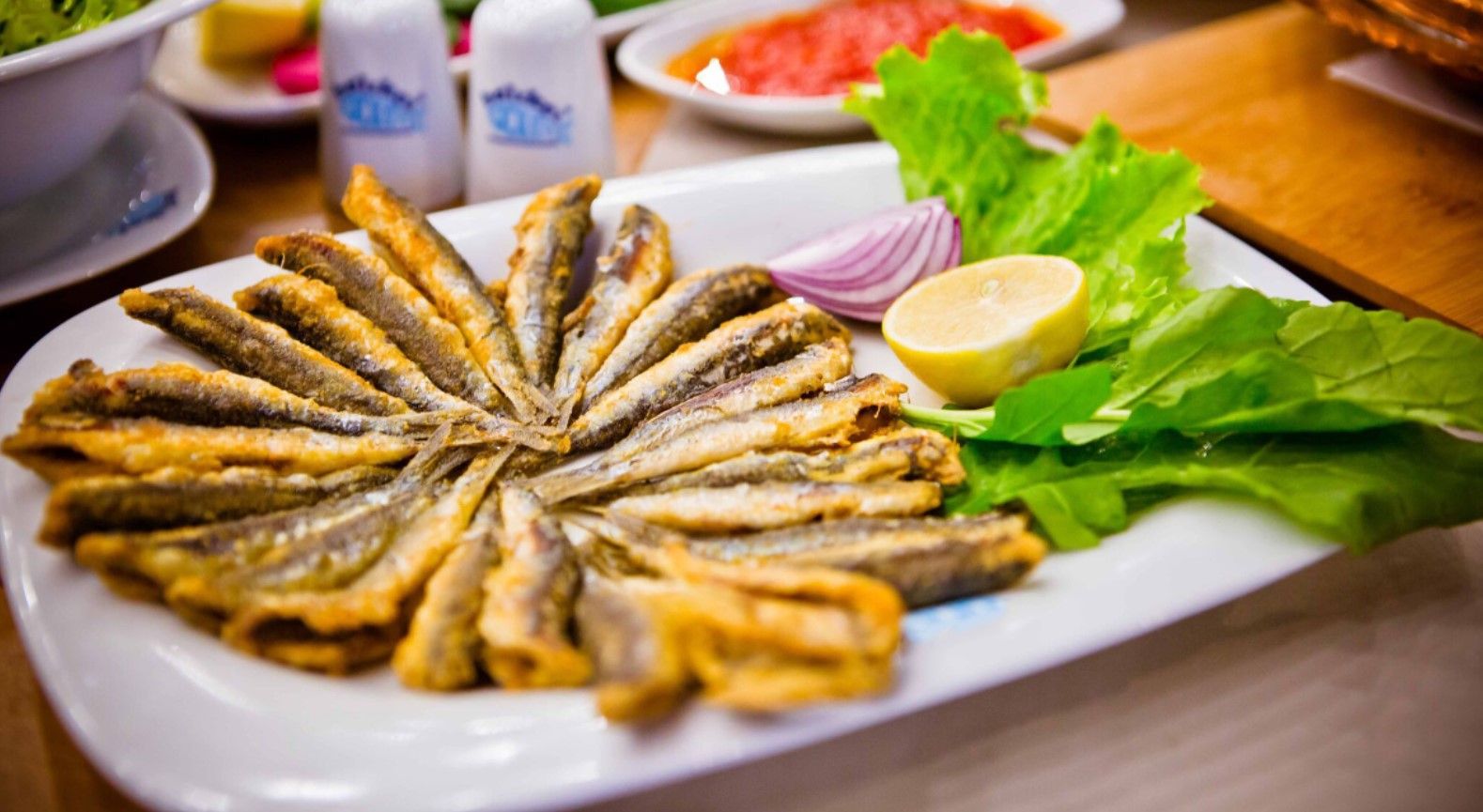
Hamsi: more than fried anchovies
Fresh Black Sea anchovies are commonly fried or baked, but they can also appear in rice dishes such as hamsili pilav. Availability and quality are seasonal, so it is sensible to ask the restaurant what arrived fresh. Outside the main season, choose another local fish instead of assuming frozen hamsi represents the region at its best.
Kuymak or muhlama
This comforting pan dish combines corn flour, butter and a melting regional cheese. It is cooked slowly on the stove until glossy and stretchy, then eaten hot with bread. Names and proportions vary by province and household. It is rich, so one pan is often enough to share alongside breakfast or other dishes.
Karalahana dishes
Black cabbage is a practical symbol of the region’s rural kitchen. Look for karalahana çorbası (soup) and cabbage rolls. Recipes vary, and meat-free versions are not guaranteed; vegetarian travellers should ask whether the dish contains meat stock, minced meat or butter.
Regional pide and breads
Samsun is especially associated with pide, including closed and open styles with different fillings. Vakfıkebir bread, traditionally a large sourdough loaf, is another Black Sea classic. Bread is not merely a side here: it carries cheese, soaks up soups and anchors the shared table.
Akçaabat köfte
Akçaabat köfte is a grilled meatball speciality from the Trabzon area. It is made from seasoned meat rather than corn. Order it with grilled peppers, tomato and local bread, and confirm ingredients if you have dietary restrictions.
Hazelnuts, tea and sütlaç
Rize is Türkiye’s best-known tea-growing centre, while Ordu and Giresun are strongly associated with hazelnuts. In Hamsiköy near Trabzon, baked rice pudding (sütlaç) is a local favourite. These simple products make excellent pauses between larger meals.
A practical Black Sea food route
Trabzon and the eastern coast
Start with a local breakfast and shared kuymak, then look for fresh fish or Akçaabat köfte later in the day. Trabzon is a useful base for combining urban food stops with highland scenery. Continue east to Rize for tea culture and, if road and weather conditions allow, explore the valley scenery described in our Çamlıhemşin, Ayder and Fırtına Valley guide.
Giresun and Ordu
These neighbouring provinces suit travellers who prefer a slower coastal journey. Visit local markets, try hazelnut products and leave time for a simple fish lunch. Use our guides to Giresun and Ordu to shape the overnight stops.
Samsun and the western Black Sea
Samsun is a natural place to compare pide styles. Farther west, Kastamonu introduces a different inland pantry of breads, pastas, garlic and preserved ingredients. Our Kastamonu travel guide helps connect its old town and food culture in a compact stay. Travellers continuing inland can add Amasya.
When to plan a food-focused trip
Spring and autumn are comfortable for town walks, markets and multi-stop routes, and they reduce dependence on peak-summer coastal schedules. Summer is popular for highlands and long daylight, but rain remains possible. Winter can be atmospheric and better for soups and anchovy dishes, although mountain roads and some seasonal businesses may be limited.
Build flexibility into any highland day. Weather, road works and local conditions can change quickly. Check the practical advice in our Türkiye transportation guide before committing to tight connections.
Plan a quieter food day
Choose one neighbourhood or market and one longer meal rather than trying to cross several provinces in a day. In Rize, combine a tea stop with a local meal; check opening days and whether a tea garden can accommodate your group before making a special journey. Rain and mountain fog can change road plans, so leave room for an indoor alternative.
Dietary and ordering tips
- Ask whether a dish contains meat stock, butter or cheese; “vegetable” does not always mean vegan.
- Order shared plates first. Kuymak, pide and large fish portions can be more filling than they look.
- For allergies, name the ingredient clearly in Turkish and confirm cross-contact with the restaurant.
- Choose the day’s fish rather than insisting on a famous species out of season.
- Carry cash for small markets and rural stops, but do not assume every business is cash-only.
Plan a Black Sea culinary journey
A rewarding route needs sensible driving times, reliable local stops and room for weather changes. Travel Agency Turkiye can combine food experiences with coastal towns, heritage sites and quieter nature stays. Share your interests through Plan My Trip, or review our Türkiye DMC services for private groups, agencies and tailored programmes.
Frequently asked questions
Is Black Sea food always based on fish?
No. Fish is important on the coast, but corn, cabbage, beans, bread, dairy, hazelnuts and meat dishes are equally significant. Inland menus can be very different from coastal ones.
What is the difference between kuymak and muhlama?
The names and recipes overlap, and usage varies locally. Both usually refer to a hot corn flour, butter and cheese dish. Rather than insisting on one universal definition, ask how the restaurant prepares its version.
Can vegetarians eat well in the Black Sea region?
Yes, with questions. Corn breads, vegetable dishes, beans, salads and dairy-based plates can work well, but meat stock and butter are common. Vegan travellers should confirm ingredients dish by dish.
How many days are useful for a food route?
Three or four nights allow a focused route around one part of the coast. A broader east-to-west journey needs more time because mountain and coastal roads make rushed itineraries tiring.
3 Comments