


Karaman is a good place to travel with a small, clear plan. Spend a day around its mosques, madrasa and museum, leave time for regional cooking, then use a second day for Taşkale’s rock-cut grain stores. That combination brings together architecture, everyday ingenuity and food without turning the trip into a race across Central Anatolia.
This Karaman travel guide is for travellers who enjoy looking closely: at a carved doorway, a working religious site or the way a village stored its harvest. It is also a possible extension to a Konya journey, provided you allow time for the transfer. It is not a substitute name for Cappadocia, and the rural stops are not part of a city-centre walking loop.
How long to stay in Karaman
One night can work for a focused city visit and a carefully arranged excursion. Two nights give you more flexibility over museum access, meal times and the weather. Travellers interested in detailed architectural interpretation may prefer fewer stops and a longer conversation with a guide.
The proposed two-day route keeps the centre and Taşkale separate. It deliberately leaves Ermenek and the Karadağ archaeological area for additional days or another trip. A province-wide attraction list is not proof that everything fits comfortably between breakfast and dinner.
- Day one: a modest centre walk, Karaman Museum if open, Hatuniye Madrasa, Aktekke and a regional meal.
- Day two: a prearranged road excursion to Taşkale, with any additional cave stop conditional on current access and suitability.
- Best fit: cultural road trips, repeat visitors to Türkiye, food-minded travellers and families who enjoy short museum visits.
Day one: Karaman’s historic centre
Begin around the castle and museum area
The castle helps you get your bearings, but check the permitted route before expecting to climb towers or walk the ramparts. An exterior look can still introduce the city’s layered past. Allow for current barriers, uneven ground and any conservation work.
The official Karaman Museum listing places it behind Hatuniye Madrasa and describes archaeological and ethnographic collections. Confirm the current entrance, galleries and opening arrangements before making it the fixed anchor of your day. Leave roughly an hour as a starting allowance, then adjust to what is open and your interests; that is a planning estimate, not an official visit duration.
Instead of trying to remember every period label, choose a few objects and ask what they reveal about settlement, work and domestic life. If you travel with children, a short search for familiar materials and shapes can be more engaging than a long chronological lecture.
Look closely at Hatuniye Madrasa
Hatuniye Madrasa was commissioned in 1382 by Nefise Sultan. Its open courtyard, former student rooms and decorated stone portal offer a different scale of experience from a large archaeological site. The provincial cultural authority highlights geometric, vegetal and inscriptional decoration: spend time at the doorway rather than only photographing the whole façade.
Ask which areas are currently accessible. A surviving historic building may have a contemporary use or restricted spaces; do not assume every room can be visited. Keep your walking route flexible if the interior is closed.
Continue to Aktekke Mosque
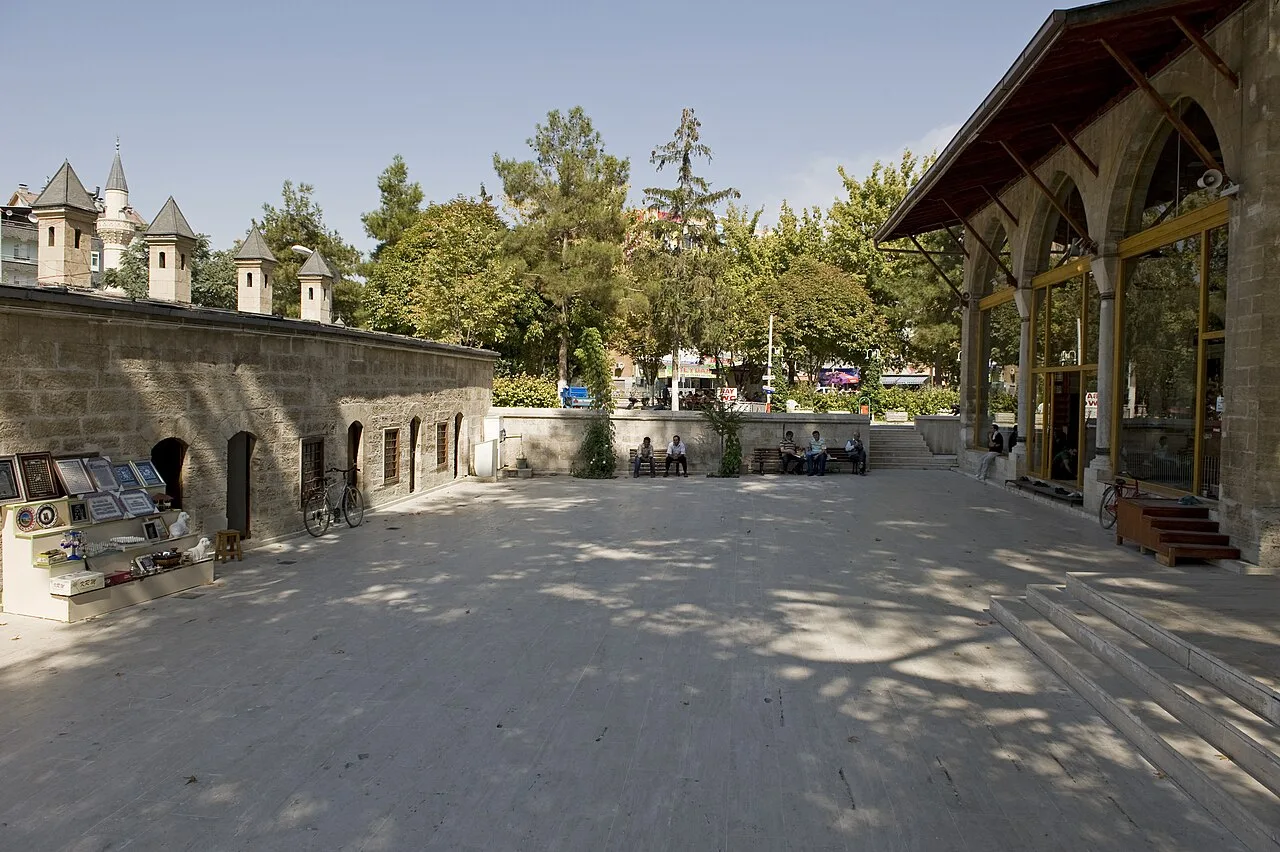
Also known as Mader-i Mevlâna, Aktekke is associated with Mümine Hatun, the mother of Mevlana Celaleddin Rumi. That family connection makes it a thoughtful companion to a Konya visit, while the building remains a religious place with its own visiting etiquette.
Dress modestly, remove shoes where directed and organise sightseeing around worship. Keep explanations quiet and follow the permitted visitor route near the tombs. Do not assume that a historical Mevlevi connection means a whirling-dervish performance is offered during an ordinary visit.
For the wider story, read our Mevlana Museum guide in Konya. Karaman and Konya share connections, but each deserves its own time and a separate access check.
Choose one extra stop, then stop for lunch
Tartanlar Mansion, highlighted in official tourism information for its domestic architecture and decoration, is a possible addition when visitor access is confirmed. Alternatively, linger in the centre and use the time for a meal. You do not need to enter every historic house to have a worthwhile day.
If a particular house or religious interior is your main reason for coming, verify its current arrangements before committing to a timed transfer. Avoid adding an unconfirmed “cultural show” to fill a gap in the itinerary.
Day two: Taşkale’s rock-cut granaries
Taşkale is a separate road excursion east of the city, not a neighbourhood you reach on the centre walk. Arrange the outward journey, waiting time and return in advance. The complete outing may take a half-day or longer depending on the route, meal plans and any confirmed additional stop.
The granaries are the main reason to come. The provincial cultural authority describes more than 250 chambers carved by hand into a high limestone mass, with single- and double-room stores and a pulley system for moving grain. Look at how the entrances occupy the rock face and consider the practical problem the village was solving: storing a harvest over time.
View the stores from permitted ground-level areas. Historic accounts of people climbing handholds describe how the granaries were used; they are not an instruction for visitors to climb today. Do not attempt the handholds, enter a chamber without permission or stand beneath an area that has been restricted.
Manazan and İncesu: optional, checked additions
Official destination information also highlights Manazan’s rock-cut settlement and İncesu Cave in the wider Taşkale area. They are different kinds of places, not interchangeable cave attractions with the same visitor arrangements.
Before adding either, establish whether there is an open visitor route, what the ground and steps are like, whether staff or a local guide is required, and whether weather affects the approach. Do not enter closed passages or attempt upper levels because an old photograph shows someone there. If access cannot be established, keep the day centred on the granaries and village setting.
For limited mobility or young children, the suitability of a particular rural stop matters more than its popularity in a sightseeing list. Ask for current details and choose a shorter outing if necessary.
What to eat in Karaman
Use regional dish names as a starting point for a conversation, not a promise that every restaurant serves them every day. Ask what is freshly prepared and leave enough time to enjoy it.
- Calla: a meat, aubergine and vegetable casserole associated with Karaman cooking.
- Batırık: a regional bulgur-based preparation; local versions can include tahini, walnuts, vegetables and herbs.
- Divle Obruk cheese: a regional cheese connected with traditional maturation in the Divle sinkhole. Buying cheese does not imply public access to the maturation site.
- Tahinli pide: a tahini-rich baked speciality worth asking about at a local bakery.
- Ermenek helva: a tahini-and-grape-molasses sweet from the wider province; availability in the centre should be checked.
Bulgur and pastry contain wheat; tahini contains sesame; walnuts and dairy also matter for allergies. Explain dietary requirements directly rather than assuming that a regional or vegetarian-sounding name makes a dish suitable. A guided food stop, tasting or producer visit requires its own arrangement.
Best season, transport and accommodation
The provincial climate description distinguishes the continental conditions of central Karaman from milder Mediterranean-influenced valleys farther south. For the city and Taşkale route, expect hot, dry summer conditions and potentially cold, snowy winters. Spring and autumn can suit walking, with layers and a check of the actual forecast rather than a promise of mild weather.
Carry water and sun protection for exposed rural stops, and wear shoes with grip. Wet or icy stone can change the suitability of a route. Keep enough daylight for the return, especially when adding unfamiliar rural roads.
Check current rail or coach options for the intercity journey with the relevant operator; do not rely on an undated blog timetable. Local travel to Taşkale needs a separate plan. Our Türkiye transport guide provides broader context, without promising a particular connection or departure.
A centrally located hotel can simplify the first day, but compare its actual address, parking, room arrangement and access before booking. This guide does not claim a particular boutique property, rural accommodation or guide is available. Travellers seeking distinctive accommodation should describe what that means to them—historic character, a quieter setting or practical family rooms—so options can be checked realistically.
Fit Karaman into a wider cultural route
Use the Türkiye Travel Guide and trip-planning checklist to decide how much moving between destinations you want. If continuing to Cappadocia, consult our three-day Cappadocia guide and Cappadocia tour collection, allowing a proper transfer day rather than treating it as an adjacent attraction.
Browse our Türkiye package tours or send your interests through Plan My Trip. Travel professionals can use our Türkiye DMC services enquiry route. A Karaman extension, local guide, vehicle, food experience or cave visit must be confirmed for the requested dates and is not an implied inclusion of a published package.
Karaman travel FAQs
Is Karaman the same place as Kahramanmaraş?
No. They are different cities and provinces. Check the full destination name when booking transport or accommodation.
Can I see the centre and Taşkale in one day?
A selective trip may be possible with arranged transport, but two days give museums, worship times and meal breaks more room. Do not add every cave and archaeological site to the same day.
Can visitors climb into the granaries?
Do not assume so. Use permitted viewing areas and seek current local guidance; historic climbing methods are not a public visitor activity.
Are the museum and caves open every day?
Check each separately. This guide does not guarantee daily opening, access to upper cave levels or unchanged visitor arrangements.
Does an Aktekke visit include a dervish ceremony?
No. A historical religious connection does not establish a performance schedule or an included event.
Sources, checks and photograph
Reviewed 16 October 2026: official GoTürkiye information on Karaman’s sights, regional food and route ideas; the official Karaman Museum listing; and the provincial authority’s pages on Hatuniye Madrasa, Taşkale’s granaries and climate. These are destination and historical sources, not live supplier availability. Confirm access, transport and admissions for your dates.
Featured photograph: “Aktekke Mosque in Karaman 4778” by Dosseman, photographed 13 September 2008, via Wikimedia Commons, CC BY-SA 4.0. This is an archival destination photograph, resized for web use without compositional changes; it is not a record of current visitor arrangements.
0 Comment