

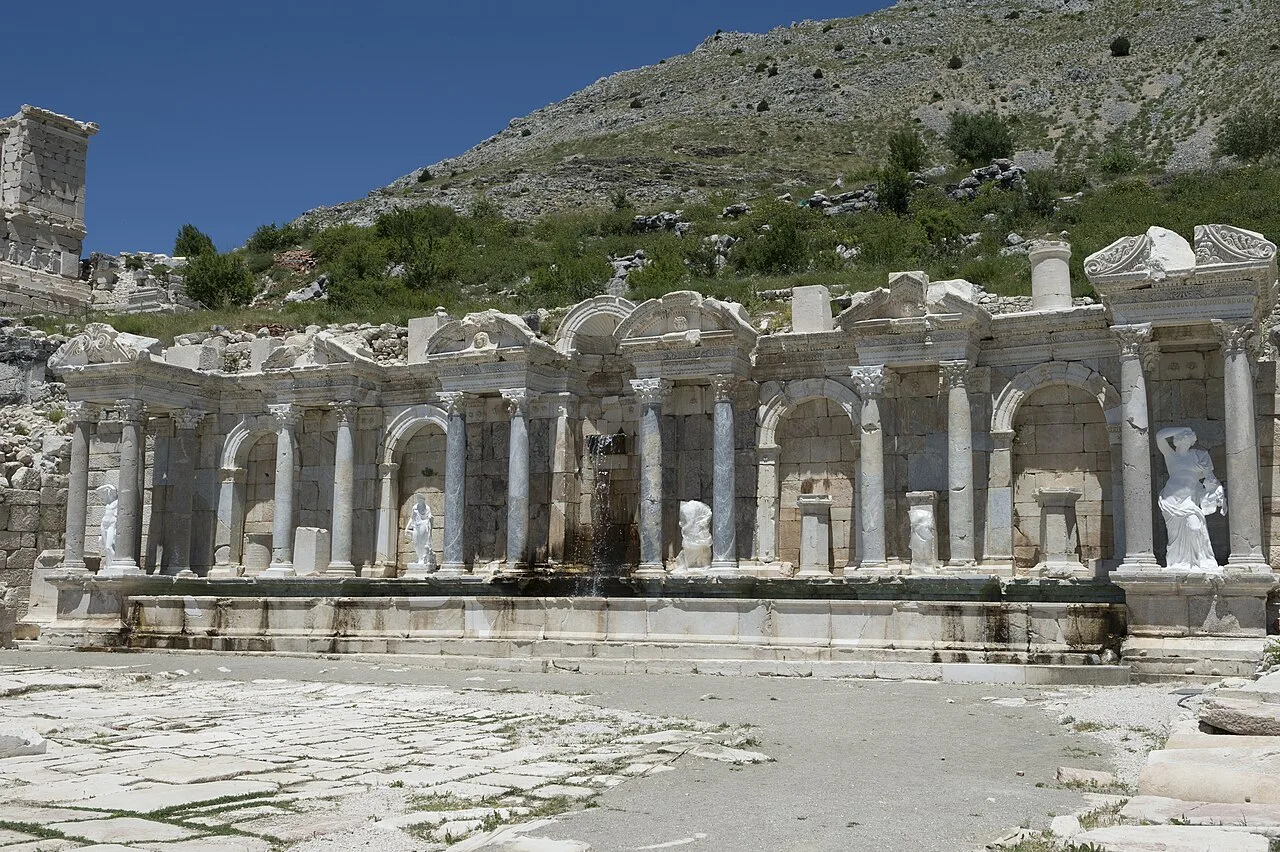

Burdur works well when you want to give inland Türkiye a little time of its own. Start with the archaeology museum, eat a local lunch and explore a few streets in the old centre. On a second day, head into the hills above Ağlasun for Sagalassos. The pairing makes sense: the museum helps you understand the objects, while the ancient city gives you their setting.
This Burdur travel guide is for independent-minded travellers, couples and small groups who enjoy archaeology and unhurried meals. It is a suggested route to discuss, rather than a fixed tour with guaranteed transport, accommodation or admission.
Burdur at a glance
- Allow: two days for the city and a separate Sagalassos outing; add time for travel into and out of the region.
- Choose it for: museum collections, Roman ruins, a short heritage walk and local food.
- Walking: the town plan can be shortened; Sagalassos has slopes, steps and exposed archaeological surfaces.
- Base: Burdur city for meals and the museum, or Ağlasun if proximity to Sagalassos is your priority.
- Best planning windows: spring and autumn, with a current weather and access check for the mountain site.
Burdur lies inland from Antalya. Consider it as a dedicated extension to an Antalya stay or a wider Lakes Region journey. Our Eğirdir guide offers another possible stop if you have more time.
Day one: museum, a short town walk and Burdur flavours
Begin at Burdur Archaeological Museum
Give the museum an unrushed morning slot. Its collections include finds from Hacılar and other early settlements as well as Sagalassos, Kibyra and Kremna. This is a useful introduction even if Roman ruins are your main interest: the region’s history extends well beyond the monuments you will see outdoors.
Look for the sculptural material associated with Sagalassos, including works from the Antonine Fountain. Reading the labels here adds context to the fountain, public buildings and fragments you encounter at the site later. Allow about 60–90 minutes as a personal planning estimate, adjusting for how much you like museums.
Keep the city walk compact
After the museum, choose a manageable route through the central streets towards Ulu Mosque and the Clock Tower, with a tea stop. Allow roughly an hour or longer with breaks, rather than treating this as a timed circuit. The mosque stands on higher ground; shorten the uphill part or arrange a suitable drop-off if slopes are difficult.
Taş Oda and Bakibey mansions are possible additions for travellers interested in Ottoman domestic architecture. Check their current visitor arrangements before adding interior visits. A view of the neighbourhood and a relaxed lunch still make a worthwhile afternoon if a building is closed.
Order something local
Try Burdur şiş, a grilled meat speciality served with bread and peppers. For a sweet, look for ceviz ezmesi, the local walnut-and-semolina confection. These are good reasons to pause in the city instead of travelling straight through it.
Ask about ingredients and portion sizes before ordering. Ceviz ezmesi contains walnuts and commonly semolina; it is unsuitable for a nut allergy and should not be assumed gluten-free. Vegetarians should ask for the actual preparation of soups, vegetables and pulses rather than relying on the dish name alone.
Day two: give Sagalassos its own outing
Sagalassos occupies a dramatic mountain setting above Ağlasun, at around 1,500–1,700 metres according to the official museum listing. Its restored Antonine Fountain is a highlight, together with the wider pattern of public spaces and buildings around it. The pleasure is in understanding how a city occupied this terrain, not simply collecting a fountain photograph.
Plan around two to three hours on site if you enjoy archaeology, plus the separate road journey and time for a meal. Start with the accessible visitor route and choose additional slopes and steps according to your energy and any current restrictions. Do not climb onto monuments or step past barriers for a better view.
Sagalassos appears on Türkiye’s UNESCO Tentative List, with a submission dated 6 February 2009. Keep the emphasis on the archaeological experience and conservation: the tentative-list entry is the appropriate status to use when describing the site.
Transport and access need separate decisions
The city museum and Sagalassos are separate stops requiring road travel. Burdur’s bus station is not the archaeological-site entrance. Before relying on public transport, verify the current onward service to Ağlasun and how you will reach the site and return. A prearranged vehicle can simplify this, but the route, waiting time and driver arrangements must be confirmed in your proposal.
Wear shoes with grip, carry water and sun protection, and bring a layer even if Antalya feels warm. For travellers with limited mobility, ask about the precise entrance route, surfaces, steps and toilets. Do not assume the entire ancient city has step-free access.
Opening hours and admission: checked 17 October 2026
The provincial Culture and Tourism Directorate’s 2026 visitor list gives both Burdur Museum and Sagalassos opening at 09:00, ticket-office closing at 17:00 and site closing at 17:30. It lists foreign-visitor admission at €3 for Burdur Museum and €8 for Sagalassos. The live Sagalassos listing also shows these hours and daily opening.
Reconfirm before travel, including pass eligibility, concessions and exceptional closures. These are dated attraction listings, not tour prices or a promise that admission is included in any package. A separate ministry notice extended Sagalassos visits to 19:00 only during 1–30 September 2026; that period has ended.
Seasons, weather and where to stay
Spring and autumn are sensible starting points for planning a walk-led break. Burdur’s long-term weather statistics show hot summer afternoons and much cooler winters. Those city observations are not a mountain forecast: check Sagalassos conditions separately, especially for cold, rain, snow or ice.
In summer, favour an earlier outdoor visit and keep the museum for a hotter part of your stay when the opening schedule allows. In unsettled weather, preserve flexibility between the two days. If access is uncertain, make the museum and city your focus rather than assuming a mountain visit will go ahead.
A city-centre base suits travellers who want dinner choices and a short evening walk. Staying around Ağlasun can suit an archaeology-first visit, but confirm meals, transport, heating and accessibility at the particular property. Hotel names, room categories and availability should be settled during itinerary planning.
Burdur travel FAQs
Is two days enough?
Two sightseeing days allow a museum-and-town day and a Sagalassos day at a comfortable pace. Arrival and departure travel may require extra time. Adding distant lakes and several more ancient cities calls for a longer stay.
Can I visit from Antalya?
Discuss the road route, starting hotel and time available before deciding between an excursion and an overnight extension. A short Antalya holiday may be better served by the existing Antalya sightseeing options; a Burdur extension needs its own confirmed arrangements.
Can this work for a group with different walking abilities?
Yes as a planning brief, provided the route is adapted. Some travellers may prefer more museum time and a shorter city outing while others explore the ruins. Confirm the practical arrangements and access limitations before booking.
Build Burdur into your Turkey route
Use Plan My Trip to share your dates, arrival and departure points, interest in archaeology, preferred hotel style and walking needs. The Travel Agency Turkiye DMC team can assess how this idea fits your wider journey. Agencies and group organisers can send a detailed brief through our Turkey DMC services page. Specific services, costs and availability require a confirmed proposal.
Sources and photograph
Checked 17 October 2026: GoTürkiye’s Burdur heritage guide; the Culture Portal’s museum collection account; the provincial 2026 visiting list; the dated September hours notice; UNESCO’s tentative-list record; MGM’s Burdur climate statistics; and provincial tourism pages on Burdur şiş and ceviz ezmesi.
Featured photograph: Antonine Fountain at Sagalassos, photographed in 2012 by Dick Osseman (Dosseman), via Wikimedia Commons, CC BY-SA 4.0. Resized; display crops may vary. Photograph adaptations remain under the same licence.

1 Comment