

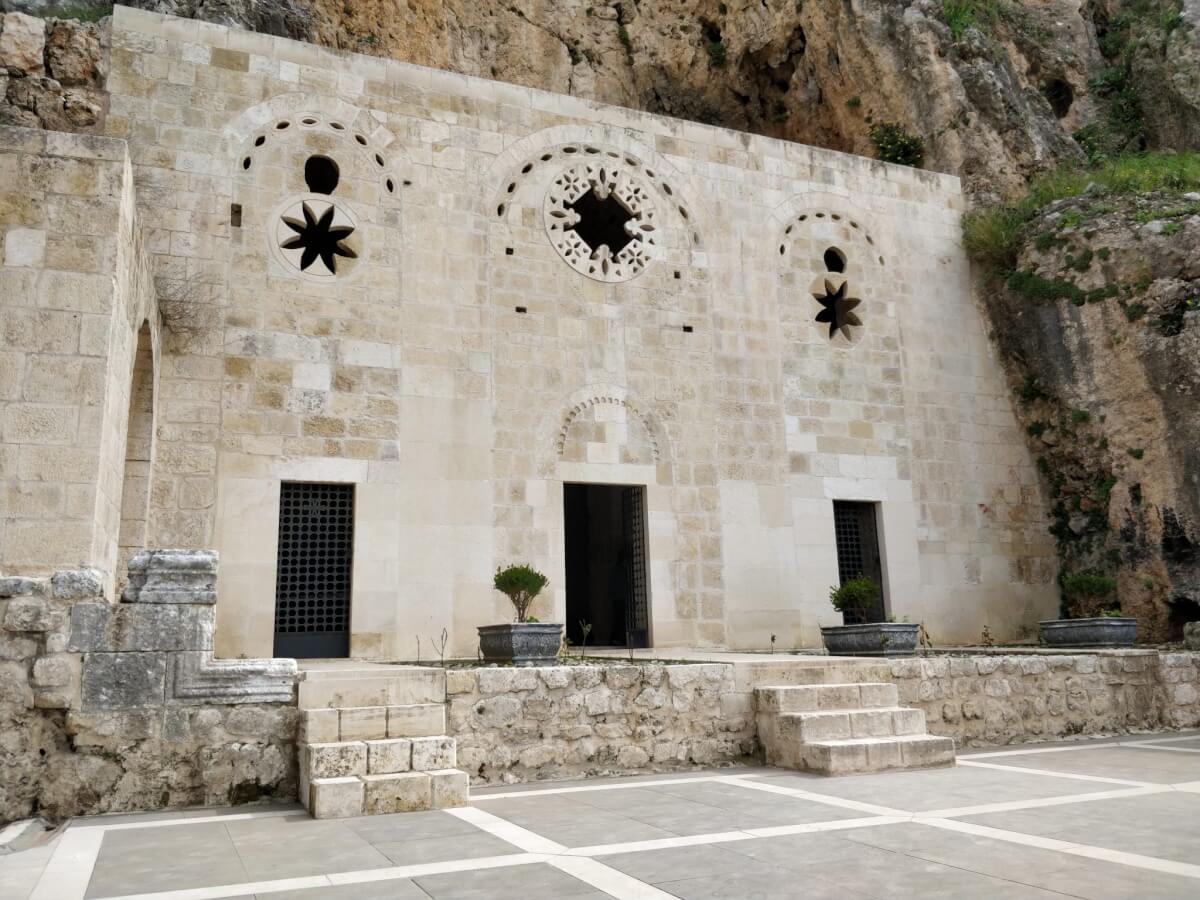

St Pierre Church in Antakya, also listed as the St. Pierre Monument Museum, is an important place in the story of early Christianity. The attraction is a cave church and its setting, rather than a conventional museum of galleries and interactive exhibits.
Its religious significance deserves a careful visit. The first practical question, however, is whether general visitor access is confirmed for your dates.
Is St Pierre Church open? Official information conflicts
Access check, 21 October 2026: the Ministry’s museum and archaeological-site status table marks Hatay St. Pierre Monument Museum “KAPALI” (closed). In contrast, its individual museum page displays “open every day,” with 08:30–17:00 hours and a 16:30 ticket-office closing time.
These official pages do not establish a consistent current operating status. Do not rely on the displayed hours, an available ticket product or an older visitor review as proof of admission. Confirm general public access directly with the museum before making a special journey. The museum page lists hataystpierremuzesi@kultur.gov.tr and +90 326 225 10 60.
Ask whether the church itself, the approach and all intended visitor areas are open on your date, and whether any permit or advance arrangement is required. A private event or an organised group visit does not necessarily establish normal tourist access. No reopening date is promised here.
Why the cave church matters
Antakya is ancient Antioch, a major centre of early Christian life. Christian tradition associates St Peter with the city and this cave church. That spiritual association should be distinguished from dating every part of the surviving building to the first century.
The cave was developed into a church over time. The Ministry describes later medieval additions to the façade and surviving mosaic traces from the fourth and fifth centuries. These layers are a better way to read the site than treating the whole structure as one unchanged apostolic building.
For pilgrims, the setting can invite reflection on the community of early Antioch. For other visitors, it offers a compact introduction to the relationship between faith, landscape and the city’s long history. Neither experience requires exaggerated claims about a large collection of manuscripts or sculptures.
What to look for if access is confirmed
The cave and its later architecture
Notice how the masonry façade meets the rock behind it. Inside, focus on the scale of the cave, the altar area and the surviving historic fabric identified by the museum. Some features may be protected or outside the visitor route; observe barriers rather than trying to reach every detail.
The hillside setting
The site stands on a slope in the Küçükdalyan area, on the Antakya–Reyhanlı side of the city. The approach is part of the visit. Ask about the current drop-off point, steps and walking surface, especially if anyone in your group has limited mobility.
Allow a modest amount of time for the church itself and more for arrival, interpretation and quiet reflection. Once access is confirmed, roughly 45–60 minutes on site may be a useful starting allowance, adjusted to the permitted route and your group. This is an itinerary estimate, not an official visit duration.
Planning a Hatay day responsibly
In Hatay’s post-earthquake recovery, assess each attraction, road connection and accommodation individually. An open business does not establish that a neighbouring monument is accessible, and a historical guide cannot confirm the condition of a street today.
Keep the day flexible. If St Pierre remains unavailable, choose a separately confirmed museum or food-focused outing rather than travelling to a closed entrance. The Necmi Asfuroğlu Archaeology Museum is a distinct Antakya venue whose official page lists visiting hours; verify its actual admission and transport arrangements independently. It is not the Hatay Archaeology Museum, which the Ministry’s status table also marks closed at this check.
Leave time for a meal with a currently operating local business if it fits the route. Ask what is being prepared that day and explain dietary needs clearly. A generous lunch and one confirmed cultural stop can make a better day than a long list of uncertain openings.
Season, comfort and pilgrimage etiquette
A cooler-season itinerary can reduce the discomfort of a hot outdoor approach, but check the district forecast and road conditions. In warm weather, carry water and avoid unnecessary midday walking. Rain can affect exposed steps and surfaces; suitable shoes matter more than a tightly timed programme.
- Dress respectfully and keep voices low.
- Ask before photographing worshippers or any ceremony.
- Follow the museum’s photography rules and stay within permitted areas.
- Do not assume that a historical annual observance guarantees a public service on your dates.
- For a pilgrimage group, agree on worship permissions, clergy arrangements and the visitor route beforehand.
For wheelchair users and travellers who cannot manage steps, obtain specific information about gradients, surfaces and the accessible portion of the site. A vehicle reaching the vicinity is not the same as an accessible church entrance.
How it fits into a faith itinerary
Antakya belongs to a different part of Türkiye from the western Seven Churches of Revelation route. Do not add it as though it were a short detour from Ephesus. Read our biblical travel options and pilgrimage planning information, then ask about a separate Hatay proposal if it matches your interests.
For another city in a wider southeastern itinerary, our Gaziantep guide explains its food and mosaic focus. Treat that as a separately paced travel stage, not an adjacent walking stop.
Frequently asked questions
Can I rely on the published opening hours?
Not by themselves. On 21 October 2026, two official Ministry pages give conflicting signals. Obtain direct confirmation before arranging a visit.
Is this the world’s first church?
It is associated with very early Christian tradition, but that is different from proving a single “first church” or dating all visible masonry to the apostolic period.
Will there be a service during my visit?
Only if a service and your attendance have been confirmed. Do not infer a current worship schedule from descriptions of past observances.
Ask for a date-specific plan
Use Plan My Trip to share your dates, interests and mobility needs. Agencies and pilgrimage organisers can enquire through our Türkiye DMC services for an itinerary proposal based on confirmed access. This article does not promise an operating tour, reopening or admission.
Sources checked 21 October 2026: St Pierre official museum page, Ministry status table and Necmi Asfuroğlu official museum page. St Pierre’s general visitor access remains unresolved between the official listings.
0 Comment