

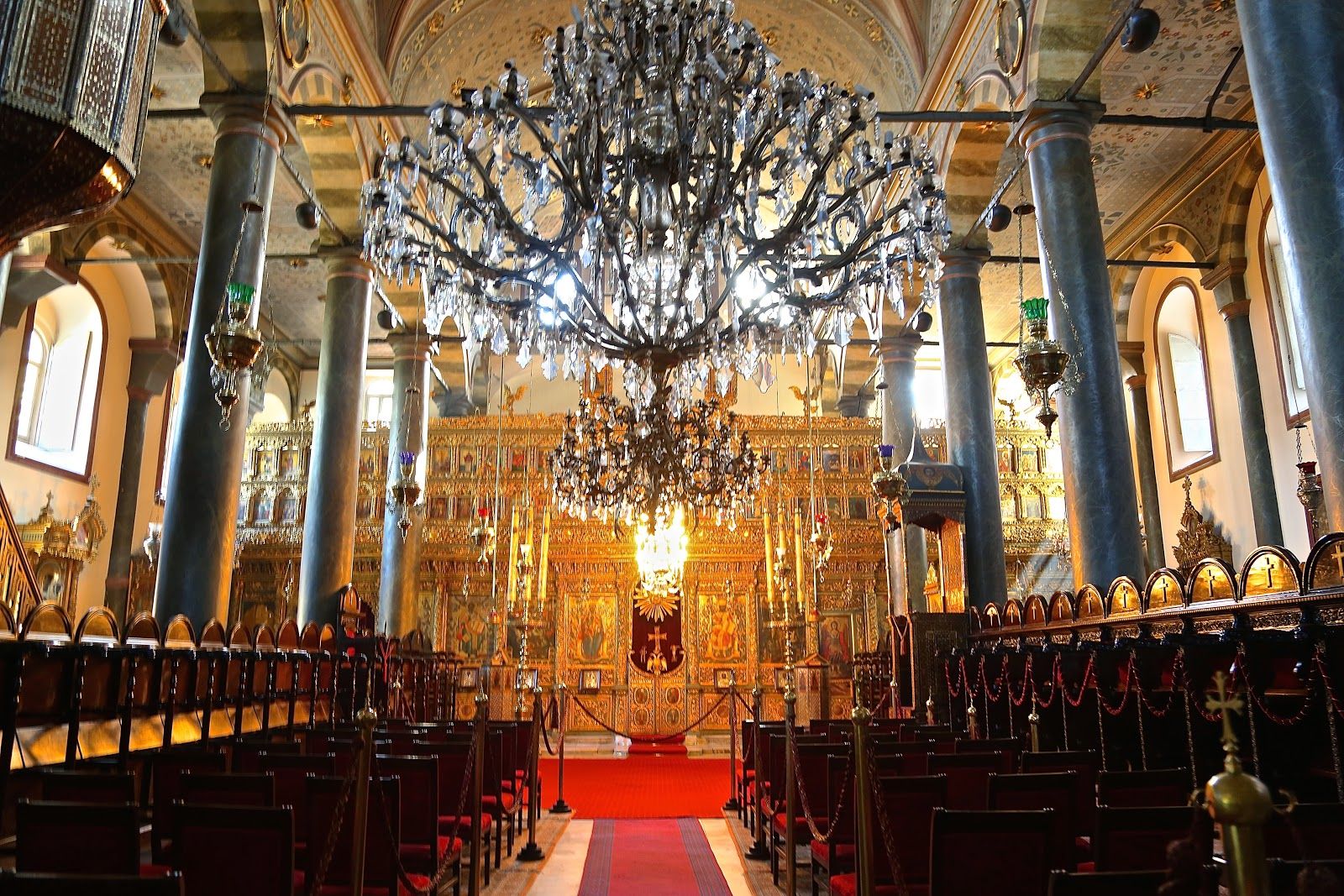

St George’s Patriarchal Church in Fener is a different kind of Istanbul landmark. Its importance comes from its place in Orthodox Christianity and the objects preserved inside, not from a monumental dome dominating the skyline. A quiet visit, with some historical context, is more rewarding than adding it as another hurried photograph on a Balat walk.
This St George Church Istanbul guide covers the church within the Ecumenical Patriarchate compound. Check the full name and address when planning: Istanbul has other churches dedicated to St George, and a map search for the saint alone can send you elsewhere.
Which St George’s Church is this?
The Patriarchate gives its address as Dr. Sadık Ahmet Caddesi No. 19, Fatih, Istanbul, in the Fener area, also called Phanar in English accounts. It is a living religious institution, not simply a museum building with a guaranteed sightseeing schedule.
The long history of the Ecumenical Patriarchate should not be confused with the age of this particular church. Its official history describes a former convent becoming the patriarchal seat around 1600, refurbishment in 1614, rebuilding after a fire in 1720 and repairs in 1836. The present church should not be introduced as a surviving fourth-century cathedral.
What to notice inside
A three-aisled basilica, not a central-domed church
Follow the arrangement of the nave and side aisles. This basilica layout is fundamental to understanding the interior; generic descriptions of a great Byzantine central dome are misleading here. If access is permitted, pause before approaching individual objects so that you can see the whole space.
The iconostasis and carved furnishings
The gilded icon screen separating the nave from the sanctuary is a principal visual focus. Look at the carving, the arrangement of icons and how the screen defines different areas of the church. Sacred furniture is not an invitation to enter the sanctuary or move barriers for a better view.
Individual furnishings have their own histories. Ask your guide which details are documented and which come from tradition.
Icons and relics in a place of worship
Relics of Gregory the Theologian and John Chrysostom returned from Rome in 2004 are preserved here. Their significance is religious as well as historical. View them only where visitors are allowed, follow any guidance on veneration, and do not treat a reliquary as a display case to lean on.
Visiting arrangements and religious services
Check the Patriarchate’s current information before setting out, especially for a group, a religious holiday or a visit intended to include worship. Its published service schedule distinguishes ordinary days, Sundays and feast days and notes exceptions for special celebrations. A worship timetable is not a guarantee of unrestricted sightseeing access.
This guide does not advertise fixed tourist opening hours, an admission price, guaranteed guided tours inside or a meeting with the Patriarch. Security, services and institutional arrangements can affect the visit. If a particular religious observance is your reason for travelling, confirm its date and visitor arrangements directly through the appropriate channel.
Dress modestly, keep voices low and follow the instructions at the entrance. Ask before photographing, particularly during a service. Put phones on silent and avoid blocking the aisle or people approaching an icon. Visitors should not assume that a general welcome to the church permits access to offices or other parts of the compound.
A relaxed Fener and Golden Horn route
Allow around 30–45 minutes for a general church visit when access permits, plus entry arrangements. For the neighbourhood, a half-day with a break is more realistic than attaching several churches to an already full Sultanahmet day. These timings are editorial allowances, not official visiting durations.
Start with the Patriarchate
Use the correct entrance and ask about the day’s access before organising the rest of the walk around it. If a service or restriction changes the plan, keep a nearby outdoor or café stop as a flexible alternative rather than crowding the entrance.
Continue towards Sveti Stefan
The Bulgarian Sveti Stefan Iron Church makes a useful second stop on the Golden Horn side, provided its own access arrangements suit the day. The two churches represent distinct histories and communities; neither should be described as a branch of the other.
Choose a modest Balat walk and lunch
Continue into selected neighbourhood streets if your group is comfortable with uneven paving and slopes. Keep residential doorways clear and ask before photographing residents. Fener’s large red-brick school, often noticed from the streets, is not St George’s Church and should not be treated as an automatically accessible attraction.
A meal break can be part of understanding the neighbourhood rather than a reason to cross town. Read our Istanbul food guide for broader ideas, then choose what genuinely fits the route and is open on the day.
Getting there, seasons and mobility
Check your route using the current public transport information and the exact Patriarchate address. Our public transport or private driver comparison helps you choose an approach; this article does not promise a particular tram, ferry departure or vehicle drop-off at the entrance.
Spring and autumn can be comfortable for the outdoor portion, but rain can make paving slippery. Summer calls for water and a shade break, while winter wind along the Golden Horn can feel cold even during a short walk. Keep the church visit and outdoor walk adjustable.
For limited mobility, ask about steps, the entry route, seating, toilets and assistance before arrival. A short route near the waterfront may be more suitable than adding hill streets, but the precise accessible route still needs checking. Families may prefer one carefully explained interior and a shorter neighbourhood loop.
Plan a heritage visit with the right support
Use our Istanbul destination page and Istanbul tour collection to explore the wider stay. For a specialist pilgrimage enquiry, explain the religious interests and any proposed service attendance rather than assuming these are included in a standard city tour.
Send your dates, group size, language and walking needs through Plan My Trip. Travel professionals can use our Türkiye DMC services page. A tailored Fener visit, guide and transport are subject to confirmation; this article is not a promise of special institutional access.
St George’s Church FAQs
Is this the red building above Fener?
No. The prominent red-brick school is a different building. Use the Patriarchate’s full address to find the church.
Is the church a fourth-century building?
No. Its own published history describes the patriarchal establishment here around 1600 and later rebuilding and repairs. The institution’s ancient origins do not date the present building.
Can I combine it with Sveti Stefan?
Yes, as a proposed Golden Horn heritage route, provided you check each church’s access separately and allow for your group’s walking ability.
Does a tour guarantee attendance at a service?
No. Religious services and permitted visitor attendance require their own date-specific checks and must be discussed separately from sightseeing.
Sources and checks
Reviewed 16 October 2026: the Ecumenical Patriarchate’s church history, service schedule and official address and announcements. The historical record is not a live visitor-access confirmation. Recheck entry, services and any requested guiding for your dates.
1 Comment