

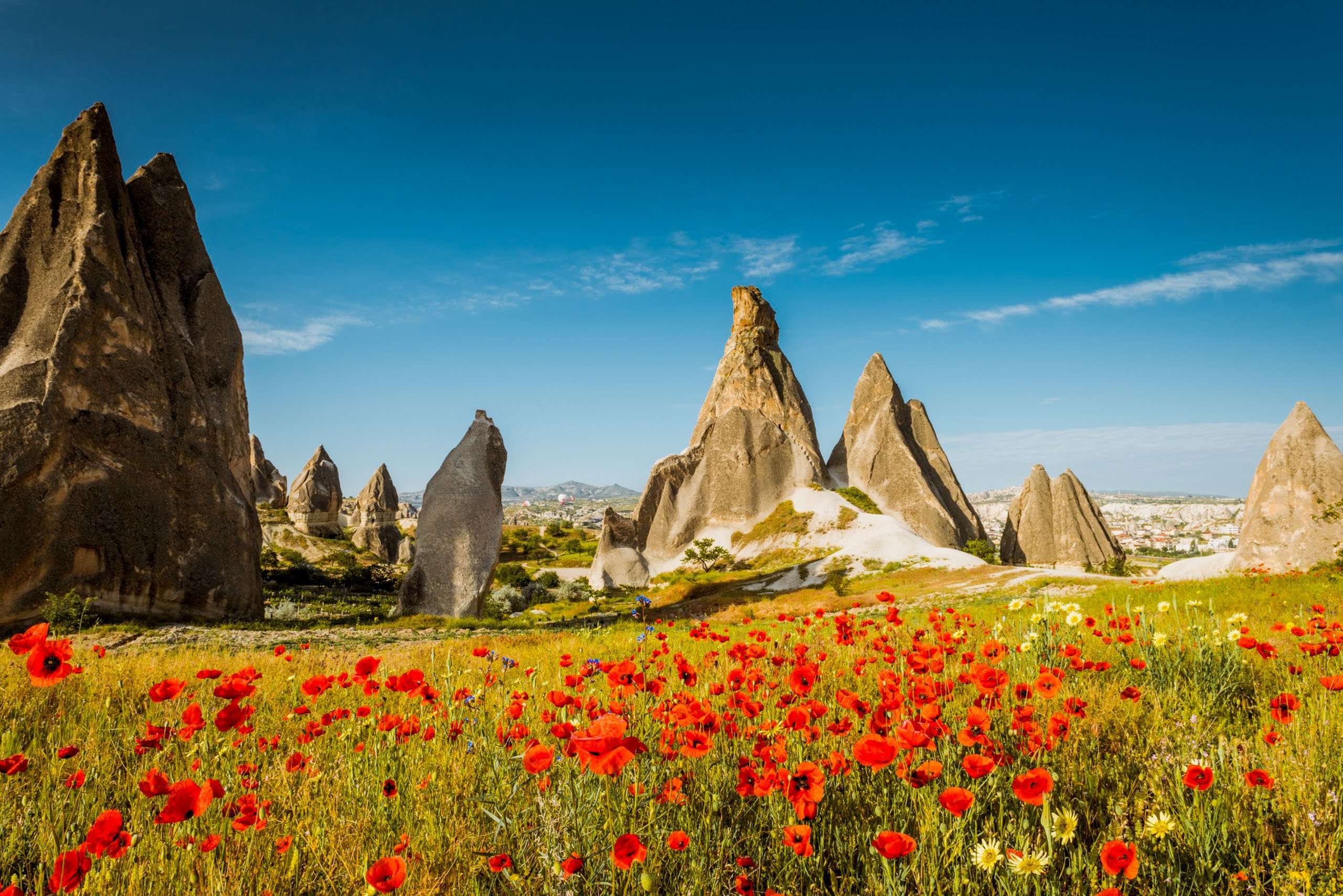

For a first trip combining Istanbul, Cappadocia and the Aegean archaeological sites, April–May and September–October are usually the most useful starting points. For a beach-focused holiday, choose warmer coastal months. For winter culture or snow, plan a different route rather than expecting the whole country to share one season.
The best time to visit Turkey depends on what you want to do, how you cope with heat and which regions you combine. This guide separates long-term seasonal expectations from the weather and operating conditions you must check before travel.
Choose your season by travel style
- City walks and archaeology: start by comparing April–May and September–October.
- Swimming and coastal stays: late spring through early autumn offers the broadest choice, with warmer sea conditions generally later in summer.
- Food, museums and cultural weekends: many cities work outside peak summer if you allow for rain and shorter days.
- Snow sports: use current snow, lift and road reports, not a guaranteed calendar window.
- Multi-stop journeys: choose dates for the most weather-sensitive part of your route first.
Turkey month by month
| Month | Useful trip focus | Main planning check |
|---|---|---|
| January | Museums, food and winter city breaks; snow trips where conditions permit | Short daylight, ice, road access and operating lifts |
| February | Culture-led Istanbul and flexible winter Cappadocia stays | Weather disruption and warm indoor alternatives |
| March | Early spring in milder regions and city sightseeing | Cold inland mornings and changeable weather |
| April | Historic districts, Aegean ruins and longer walks | Rain, holiday dates and the start of seasonal services |
| May | Multi-region cultural trips and valley walks | Cool dawns inland; sea comfort varies |
| June | Coast-and-culture combinations | Increasing heat at exposed ancient sites |
| July | Beach holidays with early sightseeing and midday rest | Heat, crowding, shade and peak-date availability |
| August | Coastal stays and selected higher-altitude escapes | Heat, wildfire notices and mountain weather |
| September | Coastal time combined with culture and food | Heat can persist; do not assume every day is mild |
| October | Walking, archaeology and slower regional itineraries | Shortening days, rain and reduced island services |
| November | City museums, food and flexible heritage routes | Cold inland conditions and seasonal closures |
| December | Winter city stays and snow-dependent mountain trips | Holiday demand, transport and actual snow conditions |
This is a planning overview, not a forecast or availability calendar. A warm spell, storm, public holiday or temporary closure can change the best order of a trip.
Best time by destination
Istanbul: spring and autumn for walking, winter for indoor depth
April–May and September–October often balance sightseeing and walking comfort. Build a short neighbourhood walk around one major visit instead of filling every hour. Winter can be rewarding for museums, food and architecture, with rain and wind making an indoor alternative useful. Compare Istanbul tours and our guide to how many days to spend in Istanbul.
Cappadocia: think beyond the balloon season
Spring and autumn suit valley walks and cultural visits, but dawn can be cold even when afternoons are pleasant. Official Nevşehir climate averages show a substantial gap between daytime and night-time conditions. Winter snow may be beautiful, yet paths and roads require extra care.
Balloon flights are weather-dependent throughout the year. Keep more than one possible morning where the itinerary allows, and plan museums, villages or landscape visits as worthwhile activities in their own right. See Cappadocia tours and the three-day Cappadocia guide.
Antalya: distinguish beach weather from walking weather
May–October is a useful broad window for coastal stays, though early-season sea temperatures and late-season services vary. July and August can be demanding for prolonged sightseeing. The Turkish State Meteorological Service’s long-term Antalya table shows average daytime highs around 35°C in those months; actual heat can be higher.
For a culture-led trip, cooler months may suit Kaleiçi and archaeological sites better, with rain contingencies. Review Antalya itineraries according to the balance of coast and culture you want.
Ephesus and Pamukkale: avoid the hottest part of the day
Spring and autumn often make exposed outdoor visits more comfortable. Summer trips can still work with early starts, water, sun protection and realistic breaks. Winter needs flexible timing for rain and shorter daylight. Explore Ephesus and Pamukkale; current entry arrangements and any pool access must be checked separately.
Black Sea and Eastern Türkiye: use regional conditions
Do not transfer an Antalya weather assumption to a Black Sea valley or an eastern mountain road. Elevation, rain and snow can change access dramatically. Summer may provide a broader window for some higher routes, but storms and local restrictions remain possible. Our Eastern Türkiye guide helps identify places that deserve their own seasonal checks.
When is Turkey quieter?
Travelling outside the busiest summer weeks can improve the pace of a trip, but there is no nationwide quiet or cheap month. Public holidays, school breaks, festivals, cruise calls and major events can create local peaks. Compare exact dates and confirmed quotes rather than assuming that every shoulder-season hotel costs less.
For islands such as Gökçeada and Bozcaada, a quieter atmosphere can come with fewer ferries and closed restaurants. Choose the trade-off deliberately.
What to check before confirming your dates
- Choose your main experience: walking, beaches, heritage, food or snow.
- Check official forecasts and warnings for every region on the route.
- Confirm attraction opening days, seasonal access and transport schedules.
- Ask which activities depend on wind, sea state, snow or a minimum operating schedule.
- Allow a buffer before international departures and other fixed commitments.
- Request a dated proposal that identifies included services and cancellation terms.
Plan a route around your season
Browse Turkey package itineraries, then share your preferred month, destinations, hotel style and walking pace through Plan My Trip. Agencies and group organisers can use our Türkiye DMC services for a route planned around the group’s needs. Prices, rooms, flights and activities require confirmation for the chosen dates.
Seasonal travel FAQs
What is the best month for a first Turkey trip?
May, September and October are useful months to compare for a mixed culture itinerary. The best choice depends on the coast-versus-inland balance and your tolerance for heat or cold.
Is Turkey too hot in August?
Some regions and exposed archaeological sites can be very hot. If August is fixed, shorten outdoor visits, start early, build in rest and check current heat and fire notices.
Can I visit Cappadocia in winter?
Yes, with suitable clothing and flexibility for snow, icy paths and transport changes. Balloon flights are never guaranteed by choosing a particular season.
Is October good for a beach holiday?
It can suit some southern coastal stays, but rain, wind, sea comfort and hotel facilities vary. Verify the exact resort and dates rather than treating the whole coast alike.
Sources and weather checks
Seasonal guidance was reviewed on 25 October 2026 against the Turkish State Meteorological Service’s official climate tables for Antalya and Nevşehir. Long-term averages describe a climate pattern; use current forecasts and operator notices to make travel decisions.
1 Comment