

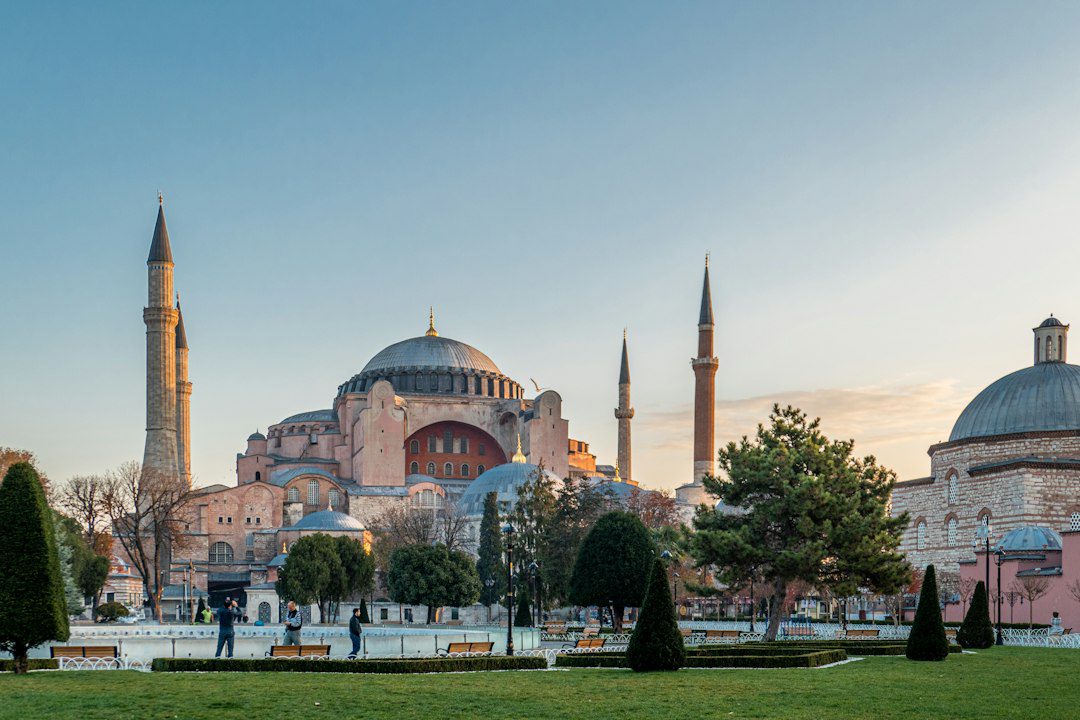

Hagia Sophia is worth more than a hurried stop for a photograph. Its great dome, marble surfaces and surviving mosaics tell the story of a building shaped by Byzantine emperors, Ottoman sultans and modern Türkiye. The visit is easier to enjoy when you understand the different entrances and leave room in your day for what is actually accessible.
This guide covers Hagia Sophia in Istanbul, also called Ayasofya-i Kebir Cami-i Şerifi. It explains the sightseeing gallery, the worship function and the separately located History and Experience Museum.
Choose the right Hagia Sophia visit
| Experience | What to understand before arriving |
|---|---|
| Visitor gallery in Hagia Sophia | The published sightseeing arrangements distinguish a ticketed gallery route from worship access. Confirm the current visitor entrance and ticket conditions. |
| Worship in the mosque | Prayer arrangements are separate. A sightseeing booking does not establish access to every part of the worship floor. |
| Hagia Sophia History and Experience Museum | A different attraction in a separate building on At Meydanı Sokak. Do not mistake its ticket or opening hours for admission to Hagia Sophia itself. |
TÜRSAB’s notice relaying the Foundations authority’s arrangements introduced the separate gallery and worship entrances from 15 January 2024. That date explains the change; it is not a newly announced policy. Confirm current admission details for your visitor category and travel date before paying.
Read the ticket description closely
Look for the exact attraction name, visitor route, date validity and any included guide or audio service. A “Hagia Sophia experience” may refer to the separate museum or to a combination product. Keep the supplier’s confirmation and meeting instructions available offline.
Check the current admission amount through the responsible venue or ticket provider. General museum-pass rules and prices quoted in older articles should not be assumed to apply. Security screening and the need to follow the visitor route remain even with a pre-purchased ticket.
Restoration can change what you see
Hagia Sophia is a living place of worship and a major conservation project. The General Directorate of Foundations reported completion of work on the northeast minaret on 28 April 2026, as part of the wider restoration programme. Completion of one element does not mean every area is open or every view unobstructed.
Before a visit focused on mosaics, architecture or photography, ask which parts of the gallery are accessible and whether screens, scaffolding or conservation work affect the view. Do not book on the assumption that a particular photograph represents today’s conditions.
A short history that helps you read the building
The present Hagia Sophia was built in 532–537 under Emperor Justinian I. It became a mosque after the Ottoman conquest in 1453, entered its museum period in 1935 and returned to mosque status in 2020. Its changing functions help explain why Christian imagery, Islamic calligraphy and architectural additions appear together.
Hagia Sophia belongs to the Historic Areas of Istanbul World Heritage property. UNESCO identifies its architects as Anthemios of Tralles and Isidoros of Miletus and highlights the influence of the building on later architecture. Our Aydın city guide follows the Tralleis connection into an inland Aegean itinerary.
Look at space before individual details
Start with the relationship between the dome, supporting arches and surrounding spaces. Then look more closely at marble, light and the decorative layers visible from the permitted route. You do not need to identify every image to appreciate how carefully the building directs your attention.
Leave room for the Byzantine and Ottoman layers
The mosaics and later Islamic features belong to different periods of use. A knowledgeable guide can help put them in context. Ask how interpretation will be delivered under the current on-site rules; do not assume a guide can speak to a group everywhere inside.
Build a comfortable Sultanahmet half-day
- Begin around Sultanahmet Square. Take in the exterior and locate the correct visitor entrance before joining a queue.
- Visit Hagia Sophia at your confirmed time. Allow roughly an hour for the permitted route, then add a separate margin for screening and queues. This is a planning allowance, not an official duration.
- Take a break around the square. Give yourself time to sit, drink water and discuss what you have seen.
- Choose one nearby addition. The Blue Mosque adds another working religious setting; the Basilica Cistern offers a different interior experience. Each has its own admission arrangements.
Keep Topkapı Palace for a longer block or another day if you want to explore it properly. Several major interiors in succession can leave little time for either understanding or enjoyment.
Dress, access and traveller suitability
Dress for a religious setting: cover shoulders and knees and bring a head covering if needed under the visitor rules. Follow staff instructions about footwear in the area you enter. Keep voices low, avoid blocking circulation and ask before photographing worshippers.
For limited mobility, ask specifically about the gallery approach, gradients, steps, lift availability and the portion of the route that can be used on your date. A landmark’s visitor entrance and worship entrance can have different access arrangements. Families may find a shorter visit followed by an outdoor break more comfortable than a long queue-and-museum day.
Season and getting there
Spring and autumn can make the surrounding walk more comfortable, but queues still occur. In summer, plan shade and water for outdoor waiting. In winter, bring a layer for wind and rain and shoes that grip wet paving. An earlier visit may fit the day well; it does not guarantee fewer people.
The T1 tram’s Sultanahmet stop is a useful approach from connected districts. Check Metro Istanbul’s current route information. Driving into the historic peninsula can involve traffic and a walk from the drop-off, so compare it with our Istanbul transport planning guide.
Frequently asked questions
Is Hagia Sophia the same as the History and Experience Museum?
No. The museum is in a separate building. Check the exact attraction and inclusions before buying a ticket.
Can I use sightseeing admission to visit every area?
No. Follow the designated route and current access rules. Worship areas and conservation zones have separate considerations.
How long should I allow?
Around an hour can work for the visitor route, with extra time for queues and screening. A half-day gives room for the square, a break and one nearby stop.
Plan the visit around your interests
Compare our Old City tour and Istanbul tours, checking the actual itinerary and admissions. Use Plan My Trip for a proposed day built around your dates and walking needs. Agencies and groups can enquire through our Türkiye DMC services.
Sources checked 22 October 2026: UNESCO, TÜRSAB’s gallery-access notice describing the January 2024 arrangements, Foundations Directorate restoration update, History and Experience Museum and Metro Istanbul. Exact gallery hours, tariffs and access during works require date-specific confirmation.
2 Comments