

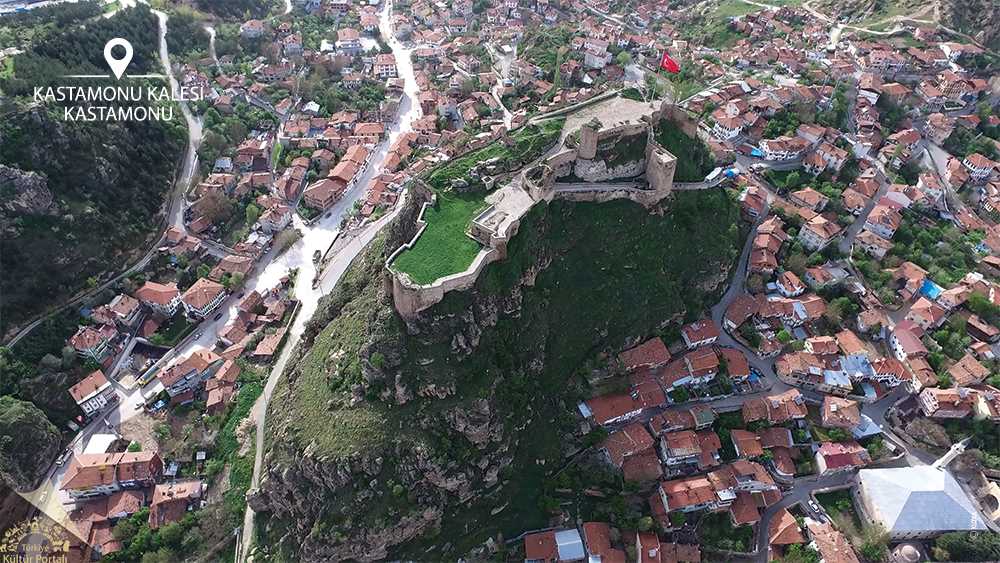

Kastamonu combines a walkable historic centre with one of Türkiye’s richest regional food traditions and easy access to the western Black Sea’s forests, canyons and coast. It works particularly well for travellers who want heritage without a rushed city break: spend one day among mansions, mosques and markets, then choose one nature excursion according to the season.
Why visit Kastamonu now?
Kastamonu offers the mix many travellers are looking for: local food, distinctive historic accommodation, cooler-season walking and quieter nature experiences. That does not mean the city is suddenly “booming”; it means its established strengths align with current interests in restorative outdoor time, trusted local knowledge and short, meaningful trips.
Hilton’s global 2027 travel research, released on 29 September 2026, found strong interest in nature, flexibility and shorter trips. Kastamonu fits that pattern naturally, but it should not be reduced to a weekend checklist. The city and province reward selecting one defining experience—heritage, food or a forest walk—and giving it enough time.
How many days do you need in Kastamonu?
Two full days are a sensible minimum for the city and one nearby excursion. Add a third or fourth day if you want to reach the Black Sea coast, walk in Küre Mountains National Park or continue to Safranbolu. Kastamonu Province is large, and a place listed under the same provincial name may still be a long road journey from the centre.
Day 1: a realistic Kastamonu city walk
Republic Square and the Government House
Start around Cumhuriyet Meydanı, where the historic Government House is one of the city’s most recognisable buildings. This central location makes a practical orientation point and keeps the first morning compact.
Nasrullah Square and Mosque
Continue to Nasrullah Square, the historic commercial heart of Kastamonu. The mosque, stone bridge and fountain create a coherent street scene, while nearby lanes make it easy to pause for tea or a bakery stop. Dress respectfully and avoid entering during congregational prayer if you are visiting as a sightseer.
Münire Sultan Madrasa
Behind Nasrullah Mosque, the 18th-century Münire Sultan Madrasa now houses shops associated with traditional crafts and local products. The official destination portal dates the madrasa to 1746. Browse with curiosity, ask where items were made and choose small, useful pieces instead of mass-produced souvenirs.
Liva Paşa Mansion and traditional houses
Kastamonu’s late Ottoman and early Republican mansions are central to the city’s character. Some serve as museums, restaurants or accommodation. Opening hours and restoration closures can change, so confirm the specific property rather than assuming every historic house is open to visitors.
Kastamonu Castle viewpoint
End the walk with the castle if conditions and mobility allow. The approach rises above the centre and surfaces can be uneven. The reward is an overview of tiled roofs, hills and the city’s layered street plan. Go before dusk only if you have a safe, well-lit return route.
Mahmut Bey Mosque: Kastamonu’s UNESCO connection
Mahmut Bey Mosque stands in Kasabaköyü outside the city centre and deserves a dedicated visit. UNESCO includes it in the serial World Heritage property “Wooden Hypostyle Mosques of Medieval Anatolia,” inscribed in 2023. UNESCO dates this mosque to 1366–67 and highlights the wider group’s masonry exteriors, wooden interior columns, flat wooden ceilings and skilled woodcarving.
This is an active religious and protected heritage place, not a stage set. Confirm visiting access locally, dress modestly, remove shoes where required and keep voices low. Pair the mosque with the city rather than adding several distant nature sites to the same day.
Day 2: choose one nature route
Kastamonu’s nature attractions are spread across a very large province. Choose one route based on weather, daylight, road conditions and walking ability.
Option A: Ilgaz Mountain for forest air
Ilgaz works for travellers who want an accessible mountain atmosphere and a change of pace from the city. Activities vary sharply by season. In winter, snow and resort operations are date-specific; in warmer months, trail conditions and park guidance still need checking. A driver is useful if you do not want to depend on limited transport connections.
Option B: Horma Canyon and Küre Mountains
Official Kastamonu tourism material highlights Horma Canyon’s wooden walkway and identifies Küre Mountains National Park as a protected forest landscape shared by Kastamonu and Bartın. Walkway access can be affected by maintenance, weather or water conditions. Verify the entrance, route condition and closing time before making the long drive.
This option is best for a full daylight excursion, not an extra stop after a museum-heavy morning. Wear shoes with grip and keep children close on elevated or wet sections.
Option C: coastal Kastamonu
Cide, Gideros Bay, İnebolu and Abana show a different side of the province, where forested slopes meet the Black Sea. The coast needs more than a rushed out-and-back from the city. Stay overnight if beaches, harbour towns or coastal roads are a priority, and treat sea conditions as changeable.
What to eat in Kastamonu
Etli ekmek
Kastamonu’s etli ekmek is a thin bread topped with a minced-meat mixture and cooked on a hot surface. It is distinct from similarly named dishes elsewhere in Türkiye. Ask whether portions are intended for sharing before ordering several.
Banduma
Banduma layers sheets of bread with poultry broth, shredded turkey or chicken, butter and walnuts in common local preparations. It is filling and better treated as the centre of a meal than a small side dish.
Siyez bulgur
Siyez is an ancient wheat associated with Kastamonu, especially the İhsangazi area. Look for its bulgur in pilaf, soups or packaged local products. If buying food to take home, check the producer, seal and customs rules for your destination.
Kuyu kebabı, çekme helva and Taşköprü garlic
Kuyu kebabı is associated with pit-cooked lamb and is not a quick dish available everywhere every day. Çekme helva makes a practical sweet souvenir, while Taşköprü is known for garlic. Ask what is local, seasonal and house-made rather than expecting every specialty on one menu.
Where to stay
A restored mansion in or near the historic centre offers the most distinctive experience and keeps the main city walk convenient. Historic buildings can have stairs, uneven floors, smaller rooms and limited soundproofing; ask about accessibility, heating, parking and luggage assistance before booking.
Modern hotels may suit business travellers, families or anyone prioritising lifts, parking and predictable room layouts. For nature-focused days, choose the city as a dependable base unless a rural property has confirmed meals, heating and road access for your dates.
When to visit Kastamonu
- Spring: green landscapes and changeable rain; check trails after wet weather.
- Summer: useful for coast and longer daylight, though the city and canyons can still be warm.
- Autumn: strong forest colour and good food-focused city days; daylight shortens quickly.
- Winter: atmospheric for food and snow, but road conditions and attraction access require flexibility.
For a city-first trip, late spring and early autumn balance walking weather with a calmer pace. Nature access never follows the calendar perfectly, so recheck conditions shortly before departure.
Getting to Kastamonu and around
Kastamonu has an airport, but flight routes and operating days may be limited or seasonal. Intercity buses connect the region with larger cities, and a private car gives the most flexibility for Mahmut Bey Mosque, Ilgaz or Küre Mountains. Always confirm current airline and bus timetables with the operator.
Within the centre, many main sights can be linked on foot. For regional excursions, driving times are more important than straight-line distance. Our Türkiye transport guide explains when buses, flights or private transfers make sense.
Combine Kastamonu with other Black Sea destinations
For a broader western Black Sea route, continue to the UNESCO town in our Safranbolu travel guide or make the coast a separate chapter using our Amasra guide. Travellers heading east can compare the harbour experience in our Sinop travel guide. Do not try to join all of them in two days; road travel deserves realistic margins.
Plan a private Kastamonu journey
Travel Agency Turkiye can arrange a custom route around heritage, food and nature without promising unverified opening hours or seasonal access. Share your dates, walking ability and preferred pace through Plan My Trip. Agencies and private groups can review our Türkiye DMC services or compare broader Türkiye package tours.
Kastamonu travel FAQs
Is Kastamonu worth visiting without a car?
Yes for the historic centre, but Mahmut Bey Mosque and most nature excursions are easier with a driver or car. Build a city-focused plan if you prefer not to drive.
Can I visit Horma Canyon and the city in one day?
It creates a rushed schedule and leaves little resilience for road or weather changes. Give the city one day and the canyon area a separate daylight excursion.
What is Kastamonu famous for eating?
Etli ekmek, banduma, siyez bulgur, çekme helva, kuyu kebabı and products made with Taşköprü garlic are useful starting points.
Is Mahmut Bey Mosque in Kastamonu city centre?
No. It is in Kasabaköyü outside the centre, so allow transport time and confirm visitor access around prayer and conservation needs.
Is Kastamonu good for autumn travel?
Yes, especially for historic streets, local food and forest colour. Rain, shorter daylight and slippery paths still need to be considered.
Fact check: GoTürkiye Kastamonu destination information, UNESCO World Heritage Centre listing 1694 and Hilton’s 2027 Trends Report were reviewed 8 October 2026. Attraction access, transport schedules, weather and road conditions must be reconfirmed for exact travel dates.
1 Comment