


Bolu is a good place to slow down between Istanbul and Ankara. Forests surround its lakes, the provincial capital makes a practical base, and a strong cooking tradition gives you a reason to stay for dinner. You can enjoy it without committing to a difficult hike or trying to visit every beauty spot in the province.
This Bolu travel guide centres on a three-day trip: an easy introduction around the city and Gölcük, a day at Abant, and a separate Yedigöller excursion when road and weather conditions permit. It also explains how to shorten the trip, choose accommodation and keep an autumn visit realistic.
Which Bolu lake should you choose?
Abant, Gölcük and Yedigöller are different outings. They are not one continuous walking trail, and the most attractive photographs rarely show the driving time, parking demand or weather behind them.
| Place | Best reason to visit | Planning consideration |
|---|---|---|
| Gölcük Nature Park | A compact lake walk and an easy introduction from Bolu | Popular photo spots can be busy; shoreline conditions vary |
| Lake Abant | A longer lakeside outing with open views and forest scenery | A full circuit takes more time than a short stroll; exposed sections feel colder |
| Yedigöller National Park | Woodland paths, several lakes and autumn foliage | Winding roads, uneven paths and seasonal access need extra attention |
For a first visit with children or limited time, start with Gölcük or a selected section of Abant’s shore. Choose Yedigöller when you have most of a day, suitable footwear and confirmed transport. None of these places is guaranteed to be quiet at an autumn weekend.
Day 1: Bolu centre and Gölcük
Begin with the city
Arrive without a long checklist. If the museum is open on your date, start there for local archaeological and ethnographic context, then stroll through the central bazaar streets. This is a working provincial city: stop for tea, look at everyday shops and let lunch become part of the visit.
A one- to two-hour centre walk, with a museum visit added separately, is a reasonable introduction. Ask locally about any conservation or access restrictions at historic buildings. It is better to enjoy two nearby stops properly than cross the city for several locked doors.
Spend the afternoon at Gölcük
Gölcük is the relatively compact lake outing near Bolu. The much-photographed house beside the water is a landmark, but the wider pleasure is the shoreline, forest and reflections. Stay on public visitor routes and do not assume that the lakeside building is accommodation you can book.
Choose a short out-and-back walk or a circuit suited to the current surfaces and your group. Allow roughly an hour for an unhurried lake visit, then add time for photographs and refreshments. Rain, snow or ice can change an apparently easy path into a slippery one.
Day 2: Lake Abant at a slower pace
Abant lies southwest of Bolu, about 34 kilometres from the provincial centre according to official destination material. The lake sits in a mountain landscape with fir and pine woodland. Its open views make it feel different from Yedigöller’s enclosed forest.
Walk a section first
Begin by choosing your turning point, rather than assuming everyone wants to walk the full shore. A 60–90-minute outing can be satisfying with plenty of stops. If you want a longer circuit, confirm the current route, surface and time allowance before starting; distance on a map does not reflect every detour or icy section.
Keep the afternoon flexible for lunch, another short walk or a quiet break. The lake changes with light and weather, so there is no need to fill the day with paid activities. Swimming, fishing, cycling and other uses are subject to local rules and conditions; do not treat the presence of a lake as permission for any activity.
Consider Mudurnu as an alternative extension
Travellers drawn to historic houses can consider a separately paced Mudurnu visit, with time in its streets and a confirmed mansion stay if desired. Add it only after checking the road route and your departure plans. Bolu Province is large enough that every extra town has a cost in travel time.
If you prefer history to a third lake, replace one nature day with a town visit. That is often a better choice than squeezing Mudurnu, Göynük and all three lakes into the same short break.
Day 3: Yedigöller, when access is suitable
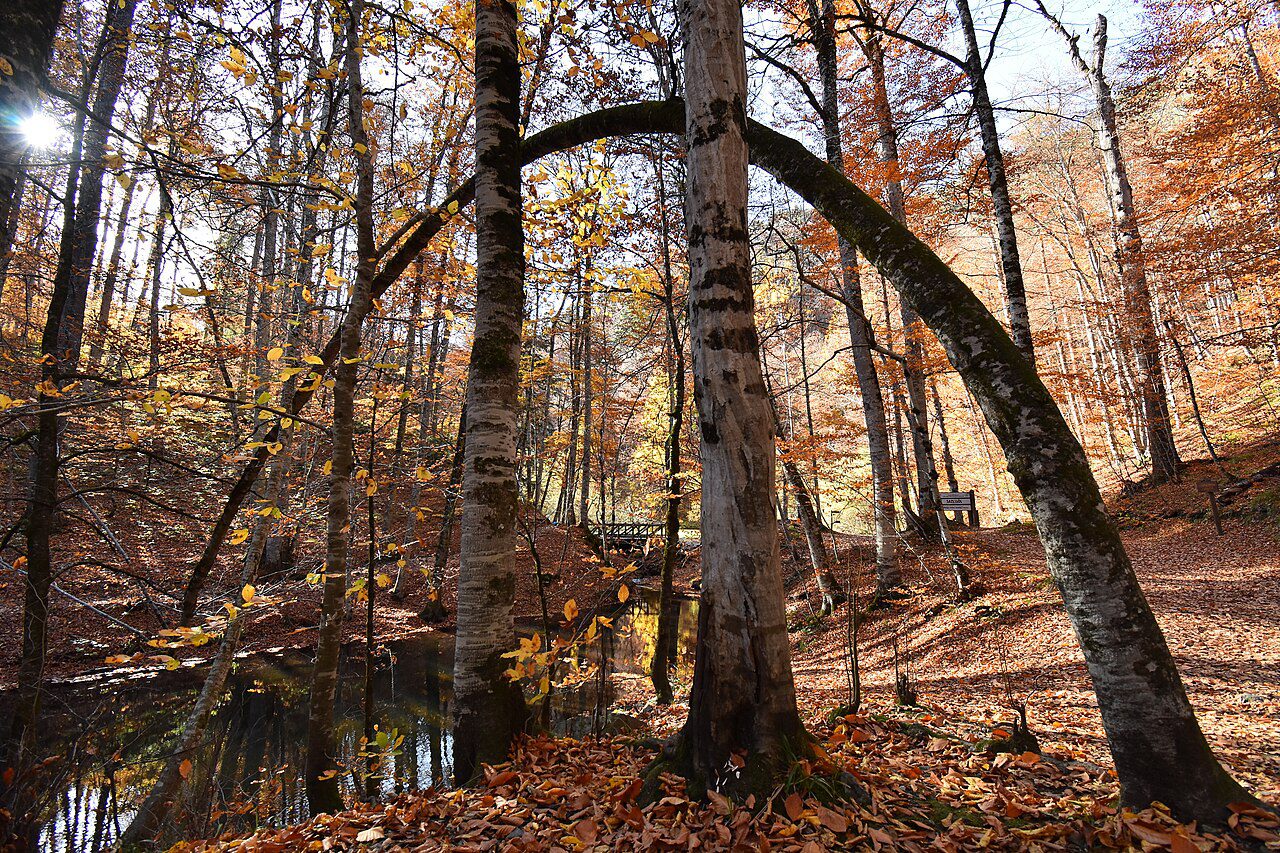
Yedigöller means “Seven Lakes.” The national park lies north of Bolu and contains a group of lakes formed by landslides, set among mixed woodland. Official visitor material puts it around 42 kilometres from the city, but the winding mountain approach makes it a longer outing than that distance might suggest.
Choose two or three lakes, not every path
Start with the signed visitor routes nearest your arrival point. Walk between a small selection of lakes, stop for reflections and listen to the forest. Roots, mud, slopes and wet leaves make a slower pace sensible. A named lake or viewpoint on a map does not guarantee an accessible path.
Give the park most of the day and return with daylight in hand. Carry food and drinking water suitable for your needs; do not depend on every seasonal facility being open. Download directions before entering mountain areas, and tell your driver where and when you will meet.
Winter roads need a different plan
Bolu’s governorate warns that the direct Bolu–Yedigöller approach is subject to winter closure and describes an alternative via Yeniçağa, Mengen and Yazıcık. Treat that as a reason to check conditions, not a guarantee that the alternative is passable on any particular day. Snow, ice, fog or road work can affect both routes.
In winter, use a locally experienced driver and confirm the intended road shortly before departure. If access is uncertain, replace Yedigöller with a city-and-food day or another confirmed outing. Do not drive into worsening conditions simply because a hotel is already booked.
What to eat in Bolu
Bolu is associated with chefs from Mengen and a broad regional food tradition. Look for dishes on actual menus rather than expecting every speciality in every restaurant:
- Keşli cevizli erişte: noodles served with dried yoghurt, walnuts and butter; particularly useful to recognise if you have dairy, wheat or nut allergies.
- Mengen pilavı: a regional pilaf whose ingredients may include lamb, mushrooms and walnuts. Ask how the restaurant prepares it.
- Potato bread: a practical local bakery purchase for a picnic or onward journey.
- Regional tarhana and desserts: recipes and availability vary, so let a local menu guide the choice.
Do not assume a vegetable dish or rice is vegetarian: stock, meat and butter can be involved. For serious allergies, explain the ingredient and cross-contact concern clearly. On nature days, pack food you can safely eat rather than relying on an unknown roadside menu.
When to visit: foliage, summer shade and winter limits
Spring offers fresh woodland and changeable weather; expect wet ground. Summer works for forest time, but sunny lakeside sections can be warm and weekends busy. Autumn brings colour, usually developing through October and into November depending on elevation, weather and tree species. No exact “peak foliage” week can be promised.
Winter can be beautiful, but snow and ice change the journey as well as the walk. Never step onto frozen lake surfaces. Choose accommodation and transport for reliable access, not just a photograph of snow.
For fewer people, consider a weekday morning and leave room for poor weather. Check the district forecast, current park notices and road advice near your date. Autumn colour is a seasonal attraction, not evidence that Bolu has measured booking growth.
Where to stay
Bolu centre is practical for restaurants, museum time and flexible departures in different directions. The Abant area suits travellers who want a lake-focused stay, but evening dining and other transfers may depend on the hotel. A historic mansion in Mudurnu can make the accommodation part of the cultural experience if it fits your route.
Before booking, ask about heating, parking, meal arrangements, room location, lift access and winter road access. For cabins, country hotels or thermal properties, confirm the exact facilities and operating rules. A “forest” or “wellness” label tells you little about the room or pool actually included.
Getting there and onward routes
Bolu is reached by road from Istanbul or Ankara. Bus services can be useful, but check the actual terminal and transfer to your hotel. The city connection does not solve transport to the three parks; a car, confirmed excursion or arranged driver is normally more practical for those outings.
A long return day from Istanbul is possible for a selected lake, but it leaves less time outdoors and depends heavily on traffic. Two or three nights make a calmer break. Read our Türkiye transport guide before comparing options.
Bolu can fit between an Istanbul stay and Safranbolu, or a wider route toward Ankara. Browse Istanbul tours and Türkiye package tours for the main itinerary, then request Bolu as a tailored extension. This guide does not imply it is included in a standard departure.
Park etiquette and practical checks
- Use marked paths and keep away from unstable shore edges.
- Take litter out and never feed wildlife.
- Check the current rules on picnics, fires, camping and fishing; restrictions differ by park and season.
- Carry layers, waterproof footwear, water and a charged phone.
- For children, wheelchairs or limited mobility, select a confirmed short route and accessible drop-off before departure.
Admission fees, parking, opening arrangements, accommodation and optional activities can change. Confirm them for your actual dates. No unverified price or guaranteed seasonal service is built into this itinerary.
Frequently asked questions
How many days do I need in Bolu?
Three days give room for the city, Gölcük, Abant and a conditional Yedigöller day. With two days, choose two lakes and keep the plan compact.
Which lake is best for a short visit?
Gölcük is a useful first choice from Bolu. Abant suits a longer shore visit; Yedigöller deserves a separate, road-conscious day.
Is autumn guaranteed to be quiet?
No. Colourful weekends can attract many visitors. Weekday mornings and flexible timing offer a better chance of a calmer visit.
Can I visit Yedigöller without a car?
Use a confirmed excursion or arranged driver. Do not assume a regular city bus reaches the park and provides a suitable return.
Can the whole trip work in winter?
Only with suitable weather, confirmed roads and a flexible itinerary. Yedigöller may need to be replaced, and frozen lakes should never be treated as walking routes.
Plan a Bolu break with local support
Use Plan My Trip to request Bolu around your travel dates, walking ability and preferred accommodation. Agencies and groups can enquire through our Türkiye DMC services for a proposed route, transport and date-specific access checks.
Sources checked 14 October 2026: GoTürkiye sights, regional food, Bolu Governorate’s Yedigöller information and protected-area rules. These general references do not replace a current road or operating notice.
Featured photograph: autumn woodland at Yedigöller by Kesim Kesgin, Wikimedia Commons, CC BY-SA 4.0; resized, with no compositional edits.

2 Comments