

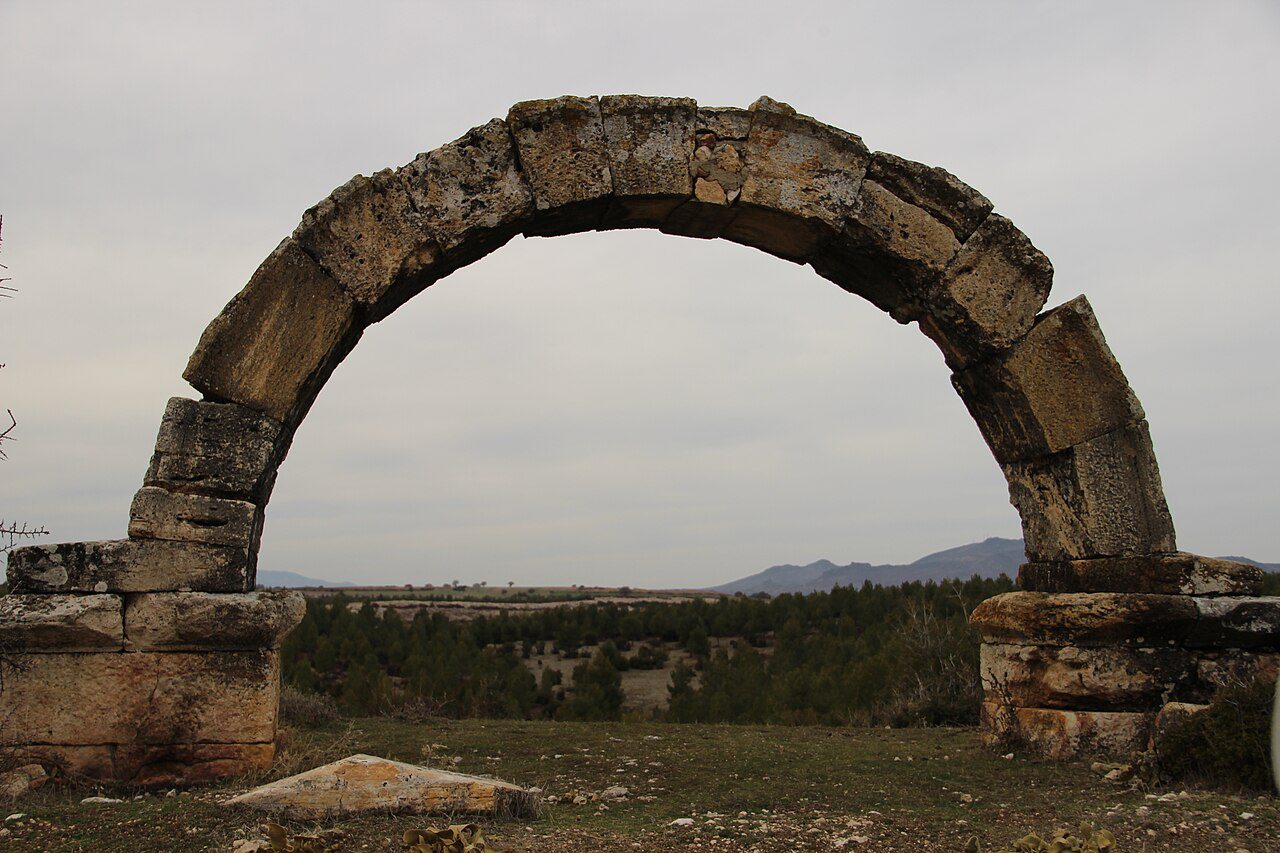

Uşak is an inland Aegean city for travellers who enjoy archaeology, canyon landscapes, regional food and living craft traditions without a crowded resort itinerary. It works especially well as a two-day stop between İzmir, Kütahya, Afyonkarahisar and the wider western Anatolian interior.
This Uşak travel guide builds a realistic short trip around three different stories: Lydian treasures in the city museum, carpet and kilim heritage in the centre, and a choice of rural landscapes outside town. The key is to choose one geographic direction each day. Ulubey Canyon, Blaundos, Taşyaran Valley and Clandras Bridge are not all one compact attraction, and trying to collect them in a single afternoon usually creates more road time than experience.
Why visit Uşak?
Uşak rewards curiosity rather than checklist sightseeing. The province sits across old routes linking the Aegean coast with central Anatolia. Lydian, Phrygian, Roman, Byzantine, Seljuk and Ottoman traces appear in its museums, ruins and rural settlements. At the same time, Uşak’s weaving culture and food traditions make the city more than a base for day trips.
It is a good match for travellers who prefer:
- short, flexible city breaks outside peak summer;
- archaeology without the scale and crowds of Türkiye’s most famous sites;
- half-day nature excursions rather than technical hiking;
- craft visits where buying is optional and questions are welcome;
- regional dishes in everyday restaurants rather than a staged “food experience.”
Day 1: Uşak city, archaeology and weaving
Start at Uşak Archaeology Museum
Make the archaeology museum your first stop because it gives essential context for the province. Its collections cover regional archaeology, coinage and Lydian-period material, including objects associated with the group popularly called the Karun Treasure. “Treasure” can distract from the real story: these objects came from burial contexts and are important evidence for elite life, belief and craftsmanship in western Anatolia.
Allow at least 60–90 minutes if you read the labels. Current displays, temporary closures and photography rules can change, so check the museum’s official information shortly before visiting rather than relying on an old timetable.
Walk the historic centre at a human pace
Continue through the central streets toward the city’s historic houses, mosques and local shops. Uşak is a working city rather than a preserved open-air museum. The pleasure is in noticing the scale of older neighbourhoods, stopping for tea and allowing the market rhythm to shape the walk.
If open and practical on your dates, include a small local-history or ethnography stop. Avoid promising that every heritage house will be accessible: opening arrangements for municipal buildings and small collections can be less predictable than at a major national museum.
Understand Uşak carpets and kilims
Uşak carpets have a major place in Ottoman and European art history. Large medallion and star-patterned carpets associated with Uşak workshops appear in museum collections and Renaissance paintings far beyond Türkiye. Today, a thoughtful craft visit should explain design, wool, dyes, knotting, repair and the difference between an old piece, a contemporary handwoven rug and a machine-made product.
When shopping, ask for written information about materials, age and origin. Compare more than one piece in natural light, check whether delivery and customs paperwork are included, and never buy under time pressure. A demonstration can be educational without creating an obligation to purchase.
Eat the city rather than rushing through it
Look for Uşak tarhana, a fermented soup mixture that varies by household and producer. Other regional dishes may include döndürme, keşkek, ciğerli bulgur and filled pastries. Availability is seasonal and restaurant menus differ, so treat these as foods to look for rather than guaranteed daily items.
Travellers with allergies should ask specifically about yoghurt, wheat, nuts, stock and cross-contact. “Vegetarian-looking” soups or grain dishes may still contain meat stock or butter. Learning the Turkish names of key allergens is useful outside major tourist centres.
Day 2 option A: Ulubey Canyon and Blaundos
Ulubey Canyon
Ulubey is known for a long canyon system cut through the plateau south of Uşak. Tourism promotion sometimes calls it the world’s second-largest canyon, but canyon rankings use inconsistent definitions and are not independently standardised. The more useful fact for visitors is that the landscape is broad, dry and dramatic, with viewpoints that reveal branching valleys.
A glass viewing terrace is associated with the main visitor area. Access conditions, maintenance closures and opening hours can change, and some travellers may find the transparent surface uncomfortable. Confirm the current status locally. Stay behind barriers, supervise children closely and avoid cliff edges away from marked areas.
The canyon is exposed. Spring wildflowers and autumn light can be especially attractive; summer midday heat is demanding, while winter rain or ice can make surfaces slippery. Carry water and do not treat an informal path as a maintained hiking trail.
Blaundos ancient city
Blaundos occupies a striking ridge within a bend of the surrounding valleys, roughly 40 kilometres from Uşak. Ancient remains include rock-cut tombs, a stadium, theatre traces, aqueduct elements and structures associated with temples and civic life. The setting is as important as any single monument.
Wear footwear with grip and expect uneven, exposed ground. Archaeological interpretation and conservation continue, so paths or individual areas may change. There may be limited shade and visitor facilities. Do not climb walls, enter unstable tombs or move fragments.
Ulubey and Blaundos make a logical pairing by private vehicle, but the exact order should follow road conditions, weather and the opening status of visitor facilities. Build in time for the return to Uşak before dark rather than adding another distant stop.
Day 2 option B: Taşyaran Valley and Clandras Bridge
Taşyaran Valley
Taşyaran is known for sculpted rock surfaces shaped by water and long-term erosion. The textures and narrow formations make it a good short nature stop, especially for photographers. Water level, colour and walking conditions vary strongly by season, so social-media images taken after rain may not match a dry-season visit.
Use marked access where available and avoid smooth wet rock near flowing water. The site is better approached as a landscape walk than an adventure activity. Families and older travellers should assess the current steps and surfaces before committing to the full descent.
Clandras Bridge
Clandras Bridge, near Karahallı, is a historic stone bridge in a green river setting. It is frequently photographed with the nearby water and industrial-era features, but road time from Uşak is significant enough that it deserves a planned circuit rather than a last-minute add-on.
Do not assume the bridge or surrounding paths are barrier-free. Weather and water management can affect the scene. A local driver familiar with rural roads is helpful when combining it with Taşyaran or village stops.
Which second-day route should you choose?
| Route | Best for | Main caution |
|---|---|---|
| Ulubey + Blaundos | Archaeology, canyon viewpoints, big landscapes | Heat, exposed terrain, uneven ruins |
| Taşyaran + Clandras | Photography, water-shaped geology, rural scenery | Seasonal water levels, steps and longer road links |
| City-only second day | Slow travel, crafts, museum depth, poor weather | Check small-site opening arrangements |
If rain, wind or extreme heat makes rural sites uncomfortable, keep the second day in town. A slower museum visit, weaving appointment, lunch and neighbourhood walk can be more satisfying than forcing an exposed canyon itinerary.
When to visit Uşak
April to early June and September to October usually offer the best balance for urban walking and outdoor excursions. Summer is dry and can be very hot at unshaded archaeological sites. Winter is quieter, but cold, rain, fog and ice can disrupt rural plans.
Always check a short-range forecast for Uşak and the specific district you will visit. Conditions in a canyon or on a ridge can feel more severe than in the city centre.
Getting to and around Uşak
Uşak has intercity road and rail connections, but schedules and journey patterns change. Review current options in our guide to getting around Türkiye and verify the final timetable directly with the operator.
Within the centre, taxis and local transport cover everyday journeys. For Blaundos, Ulubey, Taşyaran and Clandras, a car or arranged driver is the practical choice. Mobile coverage can weaken in rural terrain; download your route, carry water and agree on pickup details before setting out.
Uşak combines naturally with Kütahya for ceramics and Aizanoi, or with Afyonkarahisar for food, thermal culture and Phrygian heritage. Two nights in Uşak protect the trip from becoming a sequence of long transfers.
Where to stay
For a first visit, a central hotel simplifies evening meals, museum access and departure for day trips. Drivers should confirm parking before arrival. If quiet sleep matters, ask whether the room faces a main road or event venue. Rural accommodation can be appealing, but only choose it after confirming meal arrangements, late check-in, heating or cooling and onward transport.
No particular hotel is promised here because ownership, standards and availability can change. A route-based recommendation is more reliable than an evergreen list.
Responsible travel in Uşak
- Stay on established routes at archaeological sites and never remove pottery or stone.
- Ask before photographing weavers, shop staff or people at prayer.
- Use refillable water bottles where safe refills are available, but carry enough water for remote stops.
- Support workshops that explain materials and provenance clearly.
- Avoid geotagging fragile, unofficial paths in canyon areas.
Frequently asked questions
Is Uşak worth visiting for two days?
Yes, especially for travellers interested in archaeology, crafts and quieter landscapes. One day covers the city; a second allows either Ulubey and Blaundos or Taşyaran and Clandras.
Can I see all four rural attractions in one day?
It is technically possible to spend a long day driving between them, but it is not a good first-time plan. Choose one paired route and leave time for weather, road conditions and walking.
Do I need a car?
You do not need a car for the city centre. A car, taxi hired for a circuit or arranged transfer is strongly advisable for rural sites.
Is Ulubey Canyon the world’s second-largest canyon?
That phrase appears in tourism promotion, but there is no single accepted global ranking because canyon measurements differ. Visit for the landscape, not an unverified superlative.
Is Uşak suitable for families?
The museum and city are family-friendly. Canyon edges, glass terraces, exposed ruins and uneven paths require close supervision and route choices suited to each child.
Plan a tailored Uşak route
Use Plan My Trip to combine Uşak with Kütahya, Afyonkarahisar, Pamukkale or İzmir at a sensible pace. Travel agents, cultural groups and private parties can use our Türkiye DMC services for licensed guiding, transport and date-specific checks of museum hours, rural access and weather-dependent alternatives.
0 Comment