

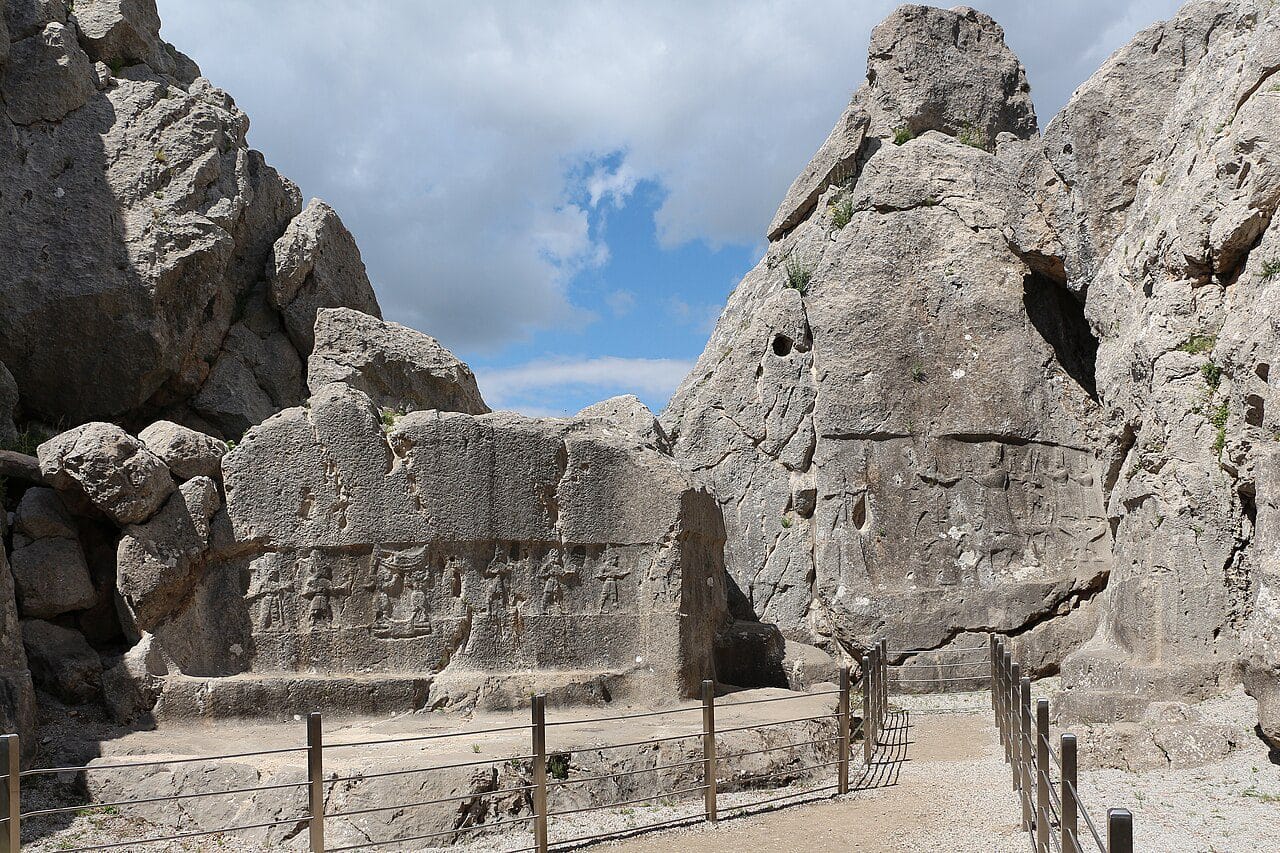

Çorum is the gateway to one of Türkiye’s most important archaeological landscapes. The province contains Hattuşa, capital of the Hittite Empire; the rock sanctuary of Yazılıkaya; Alacahöyük and its museum; and a city whose food culture extends far beyond its famous roasted chickpeas.
This Çorum travel guide is designed for a realistic two-day heritage trip. It treats Boğazkale, Alacahöyük and Çorum city as separate stops with real driving time between them—not as monuments grouped around one central square.
Why visit Çorum?
Çorum suits travellers who want deep history without the pace of Türkiye’s busiest archaeological routes. Hattuşa is a UNESCO World Heritage Site, while its cuneiform tablet archives are recognised through UNESCO’s Memory of the World programme. The province also offers quieter walking, traditional food and a useful link between Ankara, Amasya, Tokat and Sivas.
The destination is especially rewarding for archaeology enthusiasts, educational groups and travellers who enjoy landscape as part of the historical story. The sites are extensive and interpretation matters; this is not a trip built around one quick photograph.
How many days do you need?
Two full days is a sensible minimum. One day can focus on Hattuşa, Yazılıkaya and Boğazkale; the second can connect Alacahöyük with Çorum Museum and the city centre. Add another night if you want a section of the Hittite Way, a slower museum visit or a continuation toward Amasya.
A long day trip from Ankara may be technically possible with private transport, but it compresses the archaeology and leaves little resilience for traffic, weather or seasonal closing times. An overnight in Boğazkale or Çorum produces a more useful experience.
Where should you stay?
Boğazkale
Stay in Boğazkale if Hattuşa and Yazılıkaya are the priority. A local guesthouse or small hotel can reduce morning driving and allow an early start. Accommodation choice is more limited than in a large city, so confirm restaurants, heating or air-conditioning and seasonal operation before booking.
Çorum city
Choose Çorum city for a broader range of hotels and restaurants, easier onward transport and access to the provincial museum. This works well for travellers continuing east or north, although it means additional road time for Hattuşa.
Day one: Hattuşa and Yazılıkaya
Start at Hattuşa
Hattuşa became the political and religious centre of the Hittite Empire during the second millennium BCE. UNESCO highlights its urban organisation, temples, royal residences, fortifications and monumental gates. The archaeological landscape covers a large area, rising from the lower city to the upper city.
Begin early and obtain the current visitor map. Some travellers explore much of the circuit by vehicle with walks at key points; others arrange a guide and walk longer sections. Access routes can change with excavations, conservation and weather, so follow current signs rather than an old blog itinerary.
The Great Temple and Lower City
The Great Temple is the best-preserved Hittite temple complex at the site. Foundations and storage areas reveal the scale of the lower city, but the experience requires interpretation. Pause to understand the plan instead of treating every stone alignment as a separate attraction.
Lion Gate, King’s Gate and Sphinx Gate
The monumental gates are among Hattuşa’s defining landmarks. The Lion Gate and King’s Gate preserve sculptural and defensive elements, while the Sphinx Gate crowns the artificial rampart at Yerkapı. The terrain around the upper city is exposed and can be windy.
Yerkapı and the fortifications
Hattuşa’s enclosure walls extended for more than eight kilometres, according to UNESCO. At Yerkapı, the high rampart and stone tunnel communicate the city’s engineering more clearly than isolated foundations elsewhere. Steps and uneven surfaces require care.
Yazılıkaya rock sanctuary
Yazılıkaya lies roughly two kilometres northeast of the ancient capital. Its natural rock chambers carry reliefs of deities and royal figures, including representations connected with King Tudhaliya IV. Allow separate time for the sanctuary; it should not be reduced to a five-minute stop after the city circuit.
Light conditions affect how clearly the carvings appear, while wet or icy surfaces can make the path more difficult. Never touch the reliefs.
Day two: Alacahöyük and Çorum city
Alacahöyük archaeological site
Alacahöyük preserves evidence from multiple periods, including the Early Bronze Age and Hittite eras. Its monumental Sphinx Gate is the most recognisable feature. The sequence of settlement is as important as the gate itself, so read the site in chronological layers rather than calling every remain “Hittite.”
Alacahöyük Museum
The museum explains discoveries from the site, including material associated with the Early Bronze Age royal tombs as well as Hittite and later periods. Exhibitions and opening arrangements can change; confirm the museum for your exact date.
Çorum Museum
Back in the provincial capital, Çorum Museum provides broader archaeological context and helps connect Hattuşa and Alacahöyük with the region’s longer history. Allocate proper time rather than arriving shortly before closing.
A short city walk
After the museum, explore a compact section of the centre and look for traditional buildings or a restored historic dining venue. The urban experience is modest compared with the archaeological sites, but it adds present-day context and an opportunity to try the local kitchen.
The Hittite Way and quieter walking
The Hittite Way is a cultural walking network across the archaeological landscape of Çorum Province. It appeals to travellers seeking a quieter nature-and-heritage experience, but it should not be attempted from an old GPX track without current checks.
Ask about route marking, water, seasonal heat, shepherd dogs, road crossings and transport back to your starting point. Choose a short guided section if you do not have long-distance walking experience. Spring and autumn generally provide more comfortable conditions than midsummer.
What to eat in Çorum
Çorum leblebisi
Roasted chickpeas are the city’s best-known edible souvenir. Shops sell plain, salted, spiced and sweet-coated versions. Taste before buying and check ingredients if you have allergies.
İskilip dolması
İskilip dolması is a slow-cooked rice-and-meat dish associated with İskilip and ceremonial meals. It is not the same as stuffed vegetables. Because preparation is lengthy and availability may be limited, confirm in advance rather than expecting it on every restaurant menu.
Regional breads, soups and grain dishes
Official provincial food listings include pastries, soups, keşkek, kuru mantı, madımak and other dishes whose availability varies by season and restaurant. Ask what is actually prepared that day. Vegetarian travellers should confirm meat stock, butter and fillings.
When to visit Çorum
Late spring and early autumn are usually best for extended walking at open archaeological sites. Summer can be hot and exposed, particularly around midday. Winter brings cold, snow and possible ice; it can be atmospheric but requires flexible driving and footwear.
Shoulder-season travel suits visitors seeking quieter heritage experiences, but shorter daylight and seasonal accommodation make advance confirmation more important. Archaeological excavations or conservation may alter visitor routes at any time.
Getting to and around
Çorum is reached mainly by road. Intercity buses connect the provincial capital with Ankara and other regional centres, but Hattuşa, Yazılıkaya and Alacahöyük require onward transport. A private car, driver or organised tour is the most practical way to combine them.
Build generous margins into transfers. Rural roads, weather and museum hours make a tightly timed chain of sites unreliable. Review our Türkiye transportation guide before planning independent connections.
Continue through Central Anatolia
Çorum fits naturally into a heritage route with Amasya, Tokat and Sivas. Each deserves its own overnight rather than being compressed into one fast circuit.
Travellers starting in Ankara can also add Hacı Bayram Mosque and historic Ulus before heading east.
Plan Çorum with Travel Agency Turkiye
A well-designed Hittite route needs a knowledgeable guide, reliable rural transport and accommodation matched to the season. Travel Agency Turkiye can combine Çorum with Ankara, Cappadocia or a wider Central Anatolian programme after current access and supplier availability are checked.
Use Plan My Trip for a private itinerary. Agencies, schools and specialist groups can review our Türkiye DMC services and student group planning.
Frequently asked questions
Is Hattuşa in Çorum city?
No. Hattuşa is in Boğazkale district, southwest of the provincial capital. Road transport is required.
Can Hattuşa and Alacahöyük be visited in one day?
They can sometimes be combined with private transport, but the result may be rushed. Two days is better if you also want Yazılıkaya and the museums.
How long should I spend at Hattuşa?
Allow at least three hours for a useful visit, more for detailed archaeology or longer walks. Current access routes determine the final timing.
Is the route suitable for children?
Yes for families interested in history, but the large open sites require water, sun protection and realistic walking distances. A guide can make the remains easier to understand.
Do I need a guide?
Independent visits are possible, but professional interpretation adds substantial value because many structures survive at foundation level and the sites cover several historical periods.
0 Comment